
















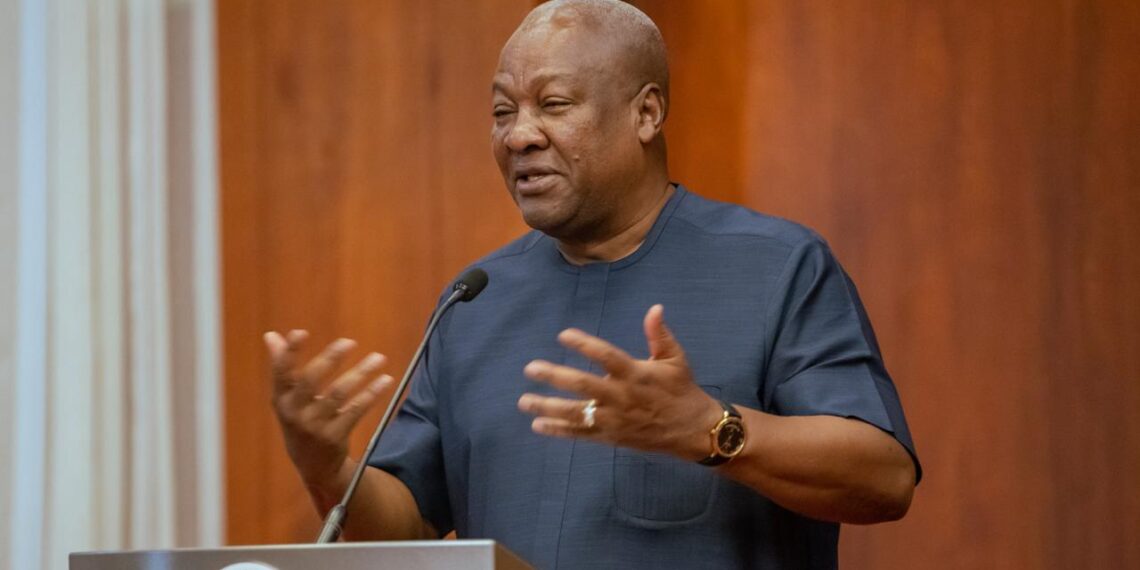
Ghana’s drive towards energy security and industrial transformation is set to receive a significant boost as President John Dramani Mahama prepares to cut the sod for Phase Two of the Sentuo Oil Refinery Project in Tema on Thursday, June 25.
The ceremony, expected to attract senior government officials, energy sector stakeholders and industry leaders, marks another milestone in the expansion of what has become Ghana’s largest operational oil refinery.
Located in the Tema Industrial Area, the Sentuo Oil Refinery has emerged as a key component of the country’s efforts to reduce dependence on imported petroleum products while promoting value addition within the local economy.
The refinery, owned by the Sentuo Group, was developed under the framework of China’s Belt and Road Initiative and Ghana’s One District, One Factory programme.
Since its commissioning in early 2024 following an investment of nearly US$2 billion, the facility has played an increasingly important role in Ghana’s petroleum value chain.
Its importance was further highlighted earlier this month when it received one million barrels of crude oil from the Jubilee Field for domestic processing, marking a historic shift from the country’s long-standing practice of exporting crude oil and importing refined petroleum products.
Industry observers view the development as a major step towards strengthening Ghana’s energy independence and reducing the country’s exposure to fluctuations in global fuel markets.
The refinery currently processes about 40,000 barrels per stream day and produces essential petroleum products including diesel, liquefied petroleum gas (LPG) and asphalt, all of which are critical to transportation, household energy consumption and infrastructure development.
Beyond energy production, the facility is contributing to employment creation and industrial growth.
Available figures indicate that more than 1,000 direct jobs have been created through the project, with Ghanaians accounting for approximately 95 per cent of the workforce.
Government officials and industry experts believe the expansion of the refinery will further strengthen local technical expertise, create additional employment opportunities and support the development of related industries such as petrochemicals, fertiliser manufacturing and logistics services.
The project is also expected to help conserve foreign exchange by reducing the need for imported refined petroleum products while increasing the value derived from Ghana’s crude oil resources.
As construction of Phase Two gets underway, stakeholders say the refinery’s continued growth could position Ghana as a strategic petroleum processing hub within the West African sub-region.
The sod-cutting ceremony is therefore being viewed not only as the start of another expansion phase but also as a significant step in advancing Ghana’s broader vision of industrialisation, energy self-sufficiency and economic transformation.






