Ghana’s energy transition agenda received a fresh push over the weekend as key players from the public and private sectors gathered in Accra to reaffirm their shared commitment to sustainability and industrial transformation. At the heart of the conversation was a call for stronger partnerships between the government and private entities to accelerate energy efficiency, cut waste, and stimulate green investments.
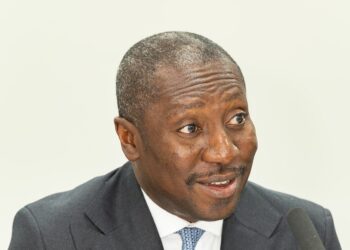
Speaking at the West African Regional launch of TCL’s new line of energy-efficient products, Mr. Solomon Adjetey, Director of Power at the Ministry of Energy and Green Transition, emphasized that Ghana’s pathway to sustainability goes beyond switching to renewable energy. Instead, he said, it involves a comprehensive rethink of infrastructure, regulation, and economic models to align with low-carbon development goals.
“Energy efficiency is about creating more with less—lowering energy use while boosting productivity,” Adjetey stated, calling the transition both people-focused and economically strategic. He revealed that the Ministry is reviewing outdated frameworks, reducing transmission losses, and designing policies that attract private sector innovation into high-energy industries such as mining, agro-processing, and manufacturing.
In a strong show of support for the government’s approach, TCL Managing Director Nour Seklaoui commended Ghana for creating a receptive environment for green technologies. He said the company’s expansion in the country reflects confidence in Ghana’s economic direction and commitment to a cleaner, more efficient energy future.
“TCL is not here to just sell products; we are here to build a sustainable future through partnerships,” Seklaoui said, adding that energy-efficient appliances are a critical component of national resilience and environmental stewardship.
Sunny Yang, General Manager of TCL’s Middle East and Africa Business Group, echoed those sentiments, noting that TCL’s presence in Ghana will bring cutting-edge innovations that align with the country’s industrial ambitions. “We see Ghana as a pivotal market in West Africa, and our investment reflects a long-term commitment to innovation and growth,” she noted.
The launch event was not only a commercial showcase but also a platform for broader policy discussions on how Ghana can balance economic development with environmental responsibility. Stakeholders emphasized the need for regulatory alignment, infrastructure investment, and cross-border cooperation to streamline the movement of goods and technologies that support sustainable energy.
They jointly called for deeper stakeholder engagement—including communities, investors, and civil society—to ensure that Ghana’s green transition is inclusive and equitable. Among the anticipated benefits discussed were new job opportunities, enhanced industrial competitiveness, and significant reductions in carbon emissions.
In charting the way forward, both government and industry leaders agreed: Ghana’s green future depends on collaboration, innovation, and bold reforms that turn sustainability from an aspiration into a national advantage.