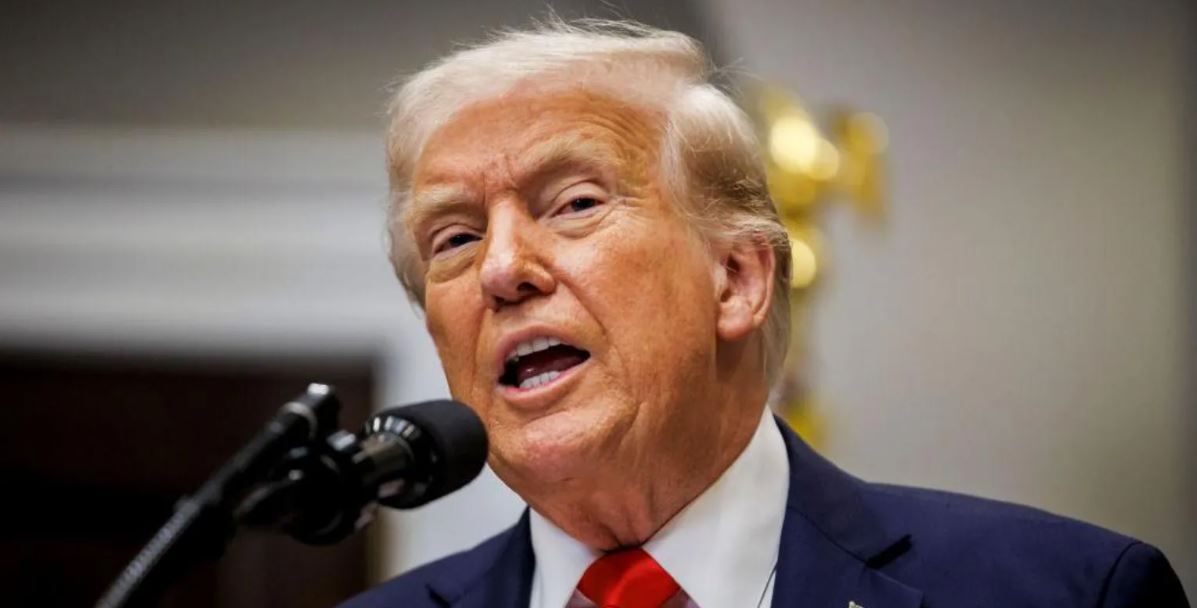
At a high-stakes White House meeting, South African President Cyril Ramaphosa found himself battling not just policy misinterpretations but historical distortion, as former U.S. President Donald Trump echoed discredited claims of “white genocide” in South Africa — a narrative steeped in colonial revisionism.
Rather than engaging in strategic diplomacy, the encounter took an unexpected turn as Trump presented Ramaphosa with a series of misleading images, some of which were later revealed to have originated from conflicts in Congo. The South African president, blindsided, reiterated firmly that his administration upholds constitutional equality and does not promote discriminatory land or racial policies.
The incident laid bare a deeper issue — how language and misinformation are being weaponised to reverse hard-won historical gains. Trump’s claim runs counter to centuries of systemic racial subjugation in South Africa, marked by colonisation, apartheid, and persistent post-liberation inequalities.
Veteran African thinkers like Ngũgĩ wa Thiong’o have long warned about the dangers of linguistic imperialism. “Language conquest… is cheaper and more effective,” Ngũgĩ wrote. In this case, the reframing of South African land reform as “genocide” not only distorts reality but extends the reach of colonial violence into the present.
Ramaphosa’s diplomatic challenge was not just to refute an untruth, but to protect a shared African memory — one forged in protest, sacrifice, and enduring resistance. From the Sharpeville Massacre to Soweto’s 1976 student uprising, the legacy of Black South Africans has been one of resilience, not retribution.
Despite comprising less than 10% of the population, white South Africans still control more than 70% of national wealth. Yet, in peaceful separatist enclaves like Orania and Kleinfontein, where apartheid-era ideologies quietly persist, white communities face no threat of state-sanctioned violence or persecution.
The question looms: if retribution were the intent, why haven’t Black South Africans acted on it in the three decades since apartheid ended?
The truth is sobering. South Africa’s “born frees” — youth born after apartheid — are more invested in nation-building than racial revenge. Yet the recycling of disinformation, particularly from influential global figures, risks undoing decades of reconciliation work.
As Desmond Tutu warned, erasing memory is the first step toward erasing identity. But African nations remain vigilant. With history stored in stories, songs, and spirit, the continent continues to assert its narrative — in its own voice, from its own soil.
At a time when real genocides rage on — in Sudan, Gaza, Congo — the world must resist being distracted by myths that cloak privilege in victimhood. The South African story, still unfolding, deserves to be told in truth, not twisted into propaganda.