A major rural economic transformation drive is underway in northern Ghana as World Vision Ghana, Catholic Relief Services (CRS), and World Agroforestry (ICRAF) roll out the second phase of the Re-greening Africa project, with a renewed focus on job creation, income diversification and strengthened local markets.
Launched at Kukpalgu in the Mion District, Phase II of the initiative—funded by the European Union—aims not only to restore degraded lands but also to reposition environmental restoration as a pathway to improved livelihoods, especially for young people and women in rural communities.
The project is expected to reach more than 200,000 additional smallholder households, enabling them to adopt profitable climate-smart practices, enter restoration-related enterprises, and benefit from stronger value chains in agriculture and natural resource management.
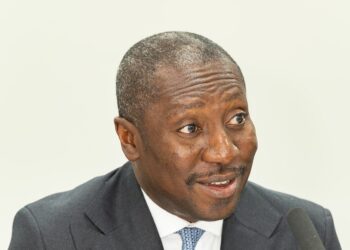
EU Ambassador to Ghana, Mr Rune Skinnebach, said the initiative aligns with the EU’s priority of supporting communities to rebuild local economies while enhancing their climate resilience. “We believe communities can transform degraded land into opportunity when the right tools and support systems are available,” he noted.
Northern Regional Minister, Mr Ali Adolf John, described re-greening efforts as an economic strategy, saying the programme will expand income sources, strengthen food security and reduce vulnerabilities that trap many rural households in poverty. He pledged full support from the Regional Coordinating Council.
World Vision Ghana’s National Director, Madam Tinah Mukunda, highlighted that Phase I restored 5,117 hectares of degraded land and supported over 5,452 households in Ghana. She said the new phase would go further to “strengthen value chains, open new livelihood opportunities, and empower women and youth to benefit from restoration-linked enterprises.”
CRS Head of Programmes, Dr Francis Gumah, emphasised that partnerships forged during Phase I have already transformed the restoration landscape in northern Ghana, especially through the creation of the Northern Restoration Initiative, which has enhanced coordination among state and non-state actors.
Re-greening Africa Phase II builds on a strong continental track record. Between 2017 and 2023, Phase I restored land and boosted livelihoods for more than 600,000 households across eight African countries — achievements that earned it recognition as a United Nations World Restoration Flagship.
The new phase will be implemented in Bawku West, Garu, Tempane, Binduri, Yendi and Mion by a consortium led by CIFOR-ICRAF, with World Vision, CRS, CARE International, Sahel Eco and AVSF.