Sign Language could become part of the mainstream basic school curriculum in Ghana within the next five years, as efforts intensify to promote communication between deaf and hearing children.
Ms Gloria Ntim, an official of the Special Education Division of the Ghana Education Service (GES), said the National Council for Curriculum and Assessment (NaCCA) had approved Sign Language for piloting in selected special schools.
She said the pilot phase would provide the basis for a nationwide rollout, after which Sign Language could eventually become an examinable subject in basic schools.
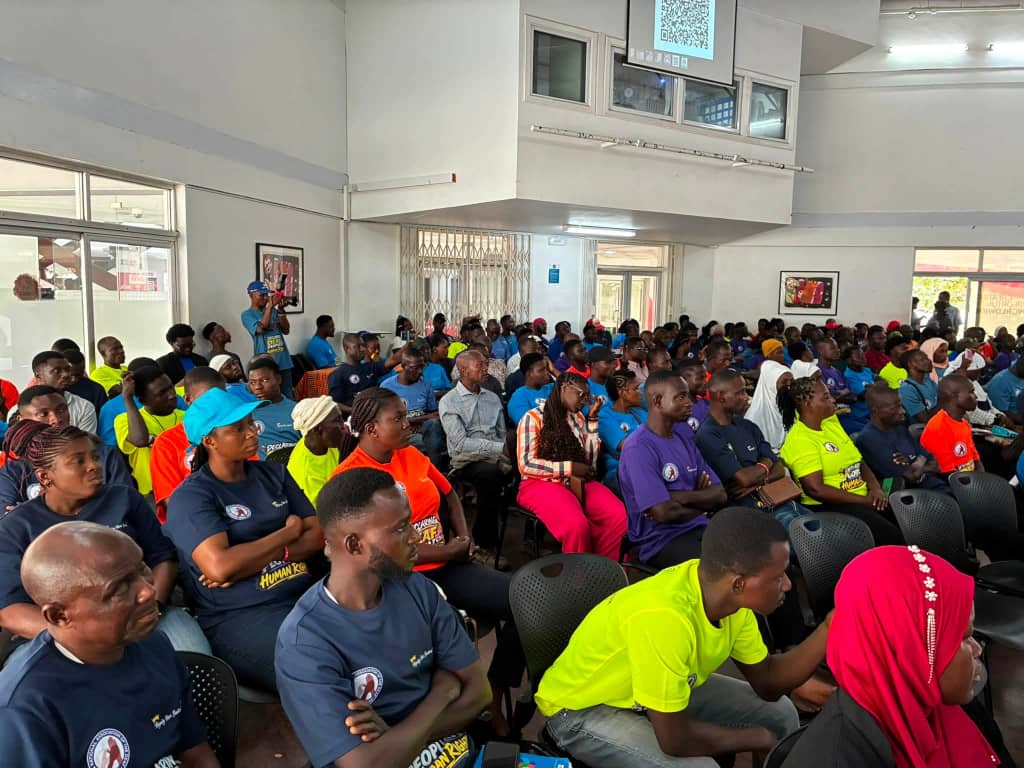
Ms Ntim disclosed this in an interview with the Ghana News Agency during an event organised by the Ghana National Association of the Deaf (GNAD) to mark the International Day of Sign Languages on September 23.
She explained that introducing Sign Language into basic education would enable children to acquire communication skills that could help them interact more effectively with their deaf colleagues.
The proposed reform would move Sign Language beyond its current use primarily among deaf communities and special education settings, potentially making it a skill accessible to children across the mainstream education system.
The development formed part of broader discussions on disability inclusion, with stakeholders also using the event to press for the speedy passage of the Persons with Disabilities Bill, 2026.
Ms Jennifer Asuako, Gender and Human Rights Analyst at the United Nations Development Programme (UNDP), said Sign Language should be recognised not only as a communication tool but also as a fundamental right.
She called for the passage of the Bill to strengthen the rights of persons with disabilities, stressing that empowerment should remain central to disability inclusion.
Disability activist Alexander Bankole Williams commended GNAD for bringing stakeholders together but urged the government to expedite consideration of the proposed legislation.
He expressed concern that disability-related issues had remained on the legislative agenda for an extended period without the passage of the Bill.
Ms Adwoa Okorewaa, representing the Inclusive Family Alliance, meanwhile called for parents and caregivers of children with disabilities to be given a stronger voice in the formulation and implementation of disability policies.
She said parents and caregivers should be treated as essential partners in their children’s development rather than merely as beneficiaries of disability programmes.
Mr Edwin Andoh, Executive Secretary of the National Council on Persons with Disabilities, reaffirmed the government’s commitment to the passage of the Bill.
The discussions form part of activities marking International Week of the Deaf, being observed from September 21 to 27, 2026.
GNAD has used the week to convene forums involving academics, researchers, policymakers, civil society organisations, corporate institutions, Members of Parliament and other stakeholders to explore ways of strengthening the inclusion of deaf persons in national development.