
















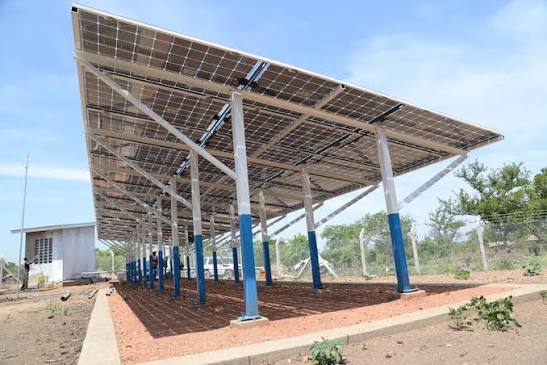
A proposed solar-powered decentralised water supply system could help improve access to potable water in underserved communities in the Atwima Kwanwoma District of the Ashanti Region.
The initiative, being explored through a feasibility study by the Korea Climate Change initiative in collaboration with the EWC Consortium of Korea, seeks to assess the district’s water resources and identify communities requiring targeted interventions.
The study team, led by Ms Catherine Chu, announced the initiative when it paid a working visit to the District Chief Executive (DCE), Mrs Grace Agyemang Asamoah, to discuss the exercise and seek the Assembly’s cooperation.
The proposed system would include water kiosks powered by solar energy, with a card-based billing system to enable residents to access water and make payments conveniently.
The use of solar energy is expected to promote environmental sustainability while reducing dependence on conventional electricity in operating the decentralised water facilities.
Ms Chu said the feasibility study would generate reliable data on the availability and quality of water resources in the district, as well as provide information on communities facing difficulties in accessing potable water.
She appealed to the Assembly to provide accurate and timely information to support the study, stressing that reliable local data would be critical to designing an intervention that responds to the actual needs of residents.
According to the delegation, a pilot of the proposed water supply model had already commenced in the Mampong Municipality and would be evaluated to determine its effectiveness before any decision was taken on extending it to other parts of the country.
The team said the outcome of the pilot would provide useful lessons for the design and possible implementation of similar decentralised water systems elsewhere.
Mrs Asamoah welcomed the initiative and expressed appreciation to the Korean government and the consortium for considering the district for the feasibility study.
She assured the delegation of the Assembly’s full cooperation and said efforts would be made to fast-track the provision of the information required for the exercise.
The DCE noted that access to safe and reliable drinking water was essential to the health, dignity and socio-economic wellbeing of residents.
She expressed optimism that the proposed system, if implemented, would help bridge existing gaps in water access, particularly in communities that remain underserved by conventional water supply infrastructure.






