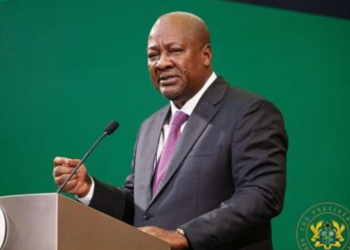
The Supreme Court has once again adjourned the much-anticipated hearing of an application seeking to bar President John Dramani Mahama and the Council of State from determining whether a prima facie case exists in the petitions calling for the removal of Chief Justice Gertrude Torkornoo.
When the case was called on Wednesday, April 16, one of the five Justices on the panel, His Lordship Samuel Asiedu, was absent. Explaining the delay, Presiding Judge Her Ladyship Henrietta Mensah Bonsu said, “We have had problems and for unavoidable reasons have to adjourn.” The case has now been rescheduled to May 6.
The repeated adjournments come amid rising legal and political tension over the petition process, with critics calling for a pause in proceedings until the Supreme Court rules on the legality of the President’s involvement.
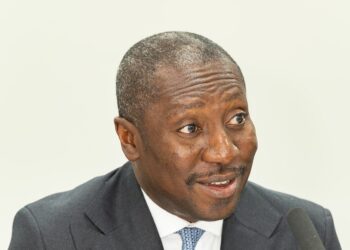
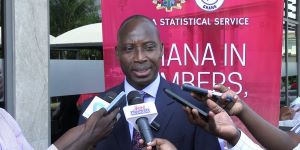
However, Attorney General and Minister for Justice, Dr. Dominic Ayine, has pushed back strongly against such calls. Addressing the press after Wednesday’s court session, Dr. Ayine insisted that the President remains constitutionally obligated to act on the petitions.
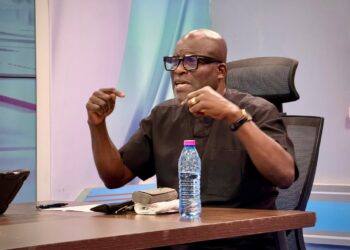
His comments were a direct response to Godfred Yeboah Dame, lead counsel for the plaintiff challenging the President’s role in determining the admissibility of the petitions. Dame contends that the filing of the injunction application necessitates a halt to all proceedings by the President and Council of State.
But Dr. Ayine rejected this argument outright, stating:
“The President cannot be enjoined from fulfilling his constitutional duties simply because an injunction has been filed. Until the court grants such an order, he is required to proceed as mandated by law.”
He emphasized that no court order currently exists to restrain the President, and any suggestion that the President should preemptively halt proceedings lacks legal merit.
As the case continues to unfold, all eyes will be on the Supreme Court when it reconvenes in May. The outcome could have far-reaching implications for judicial independence, executive power, and the broader interpretation of constitutional accountability in Ghana.