The Supreme Court has declined to reopen a decision that allowed the implementation of warrants authorising High Court judges to hear selected criminal cases during the legal vacation.
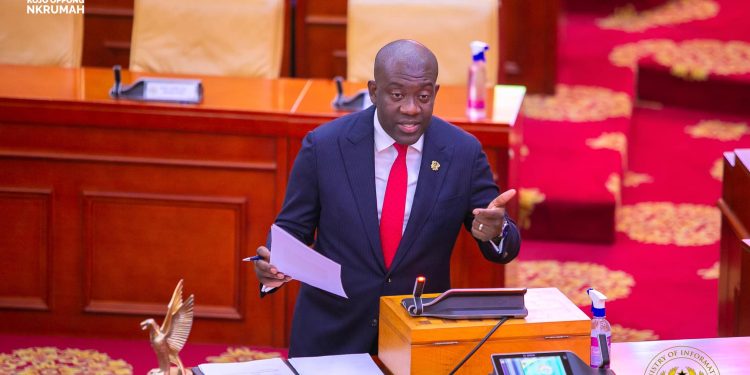
The Court on Wednesday, September 2, 2026, dismissed a review application filed by Ofoase Ayeribi MP Kojo Oppong Nkrumah, who had sought to overturn an earlier refusal to grant an injunction against the warrants.
A three-member panel chaired by Justice Emmanuel Yonny Kulendi unanimously ruled that the application did not meet the strict requirements for the Court to exercise its limited review jurisdiction.
Justice Kulendi, delivering the decision, said the Court had examined the records, affidavits, legal arguments and oral submissions presented by the parties before concluding that the application had failed to establish the exceptional circumstances necessary for a review.
“Our unanimous decision is that the application failed at the threshold on all grounds and as such ought to be dismissed as unmeritorious,” the Court held.
The full reasons for the decision are expected to be made available at the Court’s Registry on September 7.
Constitutional challenge continues
The latest ruling stems from a substantive constitutional case brought by Mr Oppong Nkrumah challenging the legality of warrants issued to High Court judges to sit during the legal vacation and hear certain criminal matters.
The warrants have been linked to ongoing criminal proceedings involving former National Signals Bureau Director-General Kwabena Adu Boahen and former National Food Buffer Stock Company Chief Executive Officer Abdul Hanan Wahab.
Mr Oppong Nkrumah had sought an interlocutory injunction to prevent the warrants from being implemented until his constitutional challenge was finally determined.
However, Justice Gabriel Scott Pwamang, sitting as a single Justice of the Supreme Court, rejected the injunction application.
The MP subsequently invoked the Court’s review jurisdiction, arguing that the single Justice’s ruling contained errors that warranted intervention by the full Court.
His lawyer, Frank Davies, argued that the ruling raised important questions about the treatment of civil and criminal proceedings during the legal vacation.
Counsel questioned the reasoning that legal-vacation restrictions applied to civil proceedings but not criminal trials, arguing that if criminal trials could proceed without warrants, the need for the disputed warrants would itself be questionable.
The defence team also contended that the single Justice had made findings touching on the substance of the constitutional case while dealing with an interlocutory application.
Another argument centred on the legal test for granting an injunction in a matter involving public interest. Mr Davies maintained that the relevant consideration was whether there was a serious question of law to be tried, rather than whether the applicant had demonstrated a strong likelihood of ultimately succeeding in the substantive case.
AG rejects attempt to reopen case
The Attorney-General opposed the review application, urging the Supreme Court to maintain the earlier decision.
Deputy Attorney-General Dr Justice Srem-Sai argued that Mr Oppong Nkrumah had not demonstrated the exceptional circumstances required for the Court to exercise its review powers.
He maintained that the review jurisdiction could not be used as an appeal or as an opportunity to re-argue issues that had already been considered by the single Justice.
According to him, the eight grounds relied upon by the applicant did not disclose any circumstance that justified the intervention of the full Court.
The Supreme Court, after considering the competing arguments, dismissed the application, leaving the earlier refusal to grant an injunction intact while the substantive constitutional challenge proceeds.