
















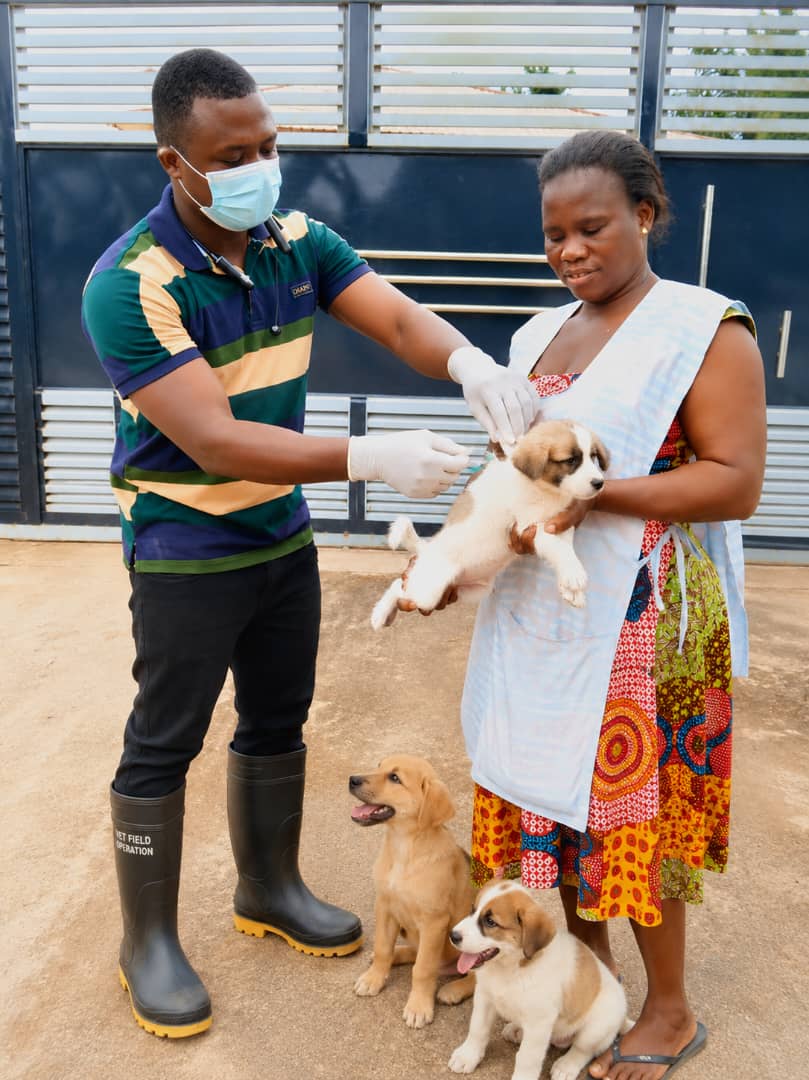
Efforts to control animal diseases and safeguard public health in the Asene Manso Akroso District are being hampered by shortages of veterinary drugs and vaccines, the District Department of Agriculture has disclosed.
The Veterinary Unit of the Department has intensified surveillance and routine visits to livestock farms as part of measures to detect and treat diseases early and prevent outbreaks, but inadequate supplies are limiting the effectiveness of the interventions.
Mr Vitus Yinzee Kolog, an officer of the Veterinary Unit, said officers had increased visits to both commercial and household livestock farms to monitor animal health and respond promptly to suspected cases.
He said the Unit had also adopted flexible working arrangements to enable veterinary officers to attend to animal health emergencies beyond normal working hours.
According to Mr Kolog, shortages of essential drugs and vaccines had affected the Unit’s ability to effectively control diseases including anthrax, rabies and bovine tuberculosis.
He said the situation was also discouraging some livestock owners from presenting their animals for routine screening, potentially increasing the risk of undetected diseases spreading among animals and, in some cases, to humans.
The Veterinary Unit is simultaneously promoting the “One Health” approach, which brings together animal, human and environmental health professionals to prevent and control diseases that can cross between animals and humans.
Mr Stephen Boadi, Director of the Asene Manso Akroso District Department of Agriculture, therefore appealed to the Government and development partners to provide the Veterinary Unit with adequate drugs, vaccines, logistics and other resources.
He said additional support would enable the Department to strengthen disease surveillance, expand veterinary outreach and improve livestock productivity across the district.
Mr Boadi also expressed concern about low compliance with animal screening and meat inspection requirements, citing public ignorance, the cost of screening and misconceptions about animal-borne diseases as some of the factors contributing to the problem.
He said the Department would work with the District Assembly and other stakeholders to intensify public education on animal health, disease prevention and food safety.
The Director urged livestock owners to cooperate with veterinary officers by presenting their animals for regular screening, while encouraging consumers to buy meat only from approved sources.
He said adherence to proper animal health and food safety procedures was essential not only to protect consumers from potential health risks but also to support sustainable livestock production and agricultural development in the district.






