
















The World Bank is reaffirming its commitment to Ghana’s sustainable development by backing major renewable energy and climate-resilient infrastructure projects aimed at transforming the country’s energy and environmental landscape.
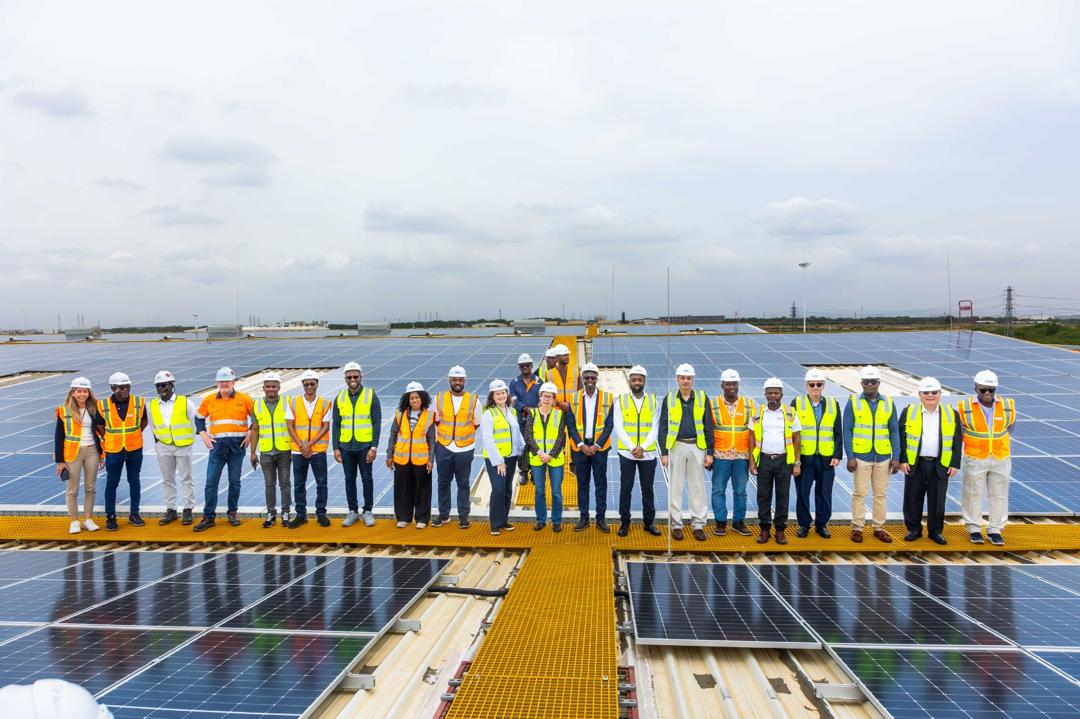
During a working tour over the weekend, Mr. Wencai Zhang, the World Bank’s Managing Director and Chief Administrative Officer, visited key World Bank-supported initiatives across the Greater Accra Region. His stops included Africa’s largest single rooftop solar project — a 16.82-megawatt system located in the Tema Free Zone — and critical flood mitigation efforts under the Greater Accra Resilient and Integrated Development (GARID) project.
“We’re not just providing financing; we’re offering global expertise to help Ghana transition to clean energy and climate-resilient infrastructure,” Mr. Zhang said after inspecting the solar project managed by LMI Holdings. “This is about creating jobs, reducing emissions, and ensuring reliable, affordable electricity for industries and citizens alike.”
The rooftop solar installation, commissioned in July 2024, is expected to significantly cut energy costs for local businesses, boost efficiency in the energy sector, and reduce carbon emissions.
Beyond energy, the World Bank is also supporting flood prevention infrastructure in high-risk areas like the Odaw River Basin and Korle Lagoon — long plagued by seasonal flooding and waste management issues. These works aim to protect communities, improve sanitation, and strengthen disaster preparedness.
Mr. Zhang concluded his tour at the newly revamped Kwame Nkrumah Memorial Park, completed under the World Bank-financed Ghana Tourism Development Project, signaling the Bank’s holistic approach to development — spanning energy, environment, and cultural heritage.
Ghana’s Energy and Green Transition Minister, John Abdulai Jinapor, praised the Bank’s commitment and pledged government backing for further green energy initiatives, including upcoming streetlight solar projects. He also encouraged LMI Holdings to offer competitive pricing to accelerate Ghana’s transition to solar.
As the World Bank signals readiness for deeper collaboration, Ghana stands poised to become a regional leader in renewable energy and sustainable urban development.






