Debate over Ghana’s water sector has intensified as civil society organisations warn that systemic inefficiencies and exploitative contracts, not just illegal mining, lie at the heart of the Ghana Water Company Limited’s (GWCL) financial woes.
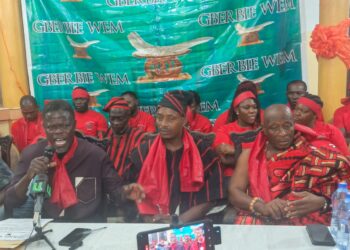
The Integrated Social Development Centre (ISODEC) and the Africa Water Justice Network have cautioned the Public Utilities Regulatory Commission (PURC) against approving GWCL’s proposed 280 per cent tariff hike, arguing that such a move would punish ordinary citizens without addressing deeper governance failures.
In a joint statement, the two groups urged the government to take urgent steps to reduce Ghana’s high Non-Revenue Water (NRW) rate, which is far above international benchmarks. They called for investment in pipeline rehabilitation, digital metering, stronger anti-theft measures, and robust data systems.
“The crisis facing GWCL and urban water management cannot be reduced to a tariff issue,” the statement said. “To approve a 280 per cent tariff increase without first addressing structural inefficiencies, exploitative contracts, and the national security threat of galamsey would be grossly unjust and a betrayal of public trust.”
One contract under scrutiny is the controversial Teshie desalination deal, which the groups described as “exploitative” and financially crippling for GWCL. They urged the government to renegotiate or terminate the agreement to ease the company’s burden.
The organisations also proposed the introduction of a 2.5 per cent special levy on revenues from oil and mining industries to support water sector financing, insisting that extractive companies should contribute to safeguarding the very resources their activities endanger.
On governance reforms, ISODEC and the Africa Water Justice Network demanded full transparency in GWCL’s procurement processes, including competitive bidding and parliamentary oversight for high-value contracts to curb political interference and protect public resources.
They reminded PURC that its regulatory mandate was not merely commercial but also about safeguarding the human right to water.
While acknowledging the damage illegal mining has inflicted on water sources and treatment costs, the groups warned that government and regulators must not allow galamsey concerns to overshadow wider inefficiencies and mismanagement weakening the sector.
For many, the standoff has become a litmus test for whether Ghana prioritises long-term structural reforms over short-term revenue fixes at the expense of citizens’ livelihoods.