The recent submission of petitions seeking the removal of Electoral Commission (EC) Chairperson Jean Mensa, her two deputies, and Special Prosecutor Kissi Agyebeng marks a critical moment for Ghana’s democracy.
While public debate surrounding accountability and institutional integrity is necessary in any vibrant democracy, it is equally important that constitutional processes guide the resolution of such matters.
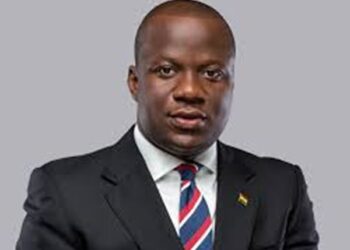
Minister of State in charge of Government Communications, Felix Kwakye Ofosu, has confirmed that the petitions, received by President John Dramani Mahama last week, have been duly forwarded to the Chief Justice.
The executive’s role in this process is now complete, and the responsibility rests firmly with the judiciary to determine the next steps. This procedural clarity underscores the foresight of Ghana’s constitutional framework, which protects the independence of state institutions while providing mechanisms for accountability.
Article 70(2) of the Constitution empowers the president, acting on advice from the Council of State, to appoint EC officials.
Equally important, the law aligns the terms and conditions of the Chairperson and deputies with those of judges of the superior courts.
The removal process, therefore, mirrors the safeguards afforded to judicial officers, ensuring that no decision is taken lightly or without due process. Such provisions are not bureaucratic hurdles; they are vital protections that uphold the independence and credibility of Ghana’s electoral and legal institutions.
Public interest in the outcome of these petitions is understandable. Citizens are right to demand accountability from officials who occupy offices critical to democracy and governance.
Yet, the legitimacy of these institutions—and by extension the public’s trust—depends on adherence to established legal procedures rather than hurried or politically influenced action. The Chief Justice now carries the responsibility to ensure that any review of these petitions is transparent, impartial, and grounded in law.
This moment also serves as a reminder of the balance that Ghana’s democracy seeks to maintain: between accountability and institutional independence, between public pressure and rule of law, between short-term political convenience and long-term governance credibility.
How the judiciary handles these petitions will have implications not only for the individuals involved but for the broader perception of justice and fairness in Ghana.
As citizens, we must recognize that robust institutions do not thrive on emotion or speculation; they thrive on transparency, due process, and legal integrity. The petitions, while provocative, should ultimately reinforce—not undermine—our democratic system. The Chief Justice and the judiciary must now act with diligence, ensuring that justice is served without fear, favor, or prejudice.
In the end, Ghana’s democracy is stronger when its processes are respected. Accountability is not merely the removal of officials; it is the consistent application of the law, the protection of institutional independence, and the preservation of public trust.
As this situation unfolds, let us watch closely, hold our institutions to their responsibilities, and above all, support the rule of law as the cornerstone of our nation’s governance.
–Prosper AGBENYEGA