Ghana’s drive toward renewable energy is facing a critical setback as businesses investing in solar power struggle to fully utilize their excess electricity due to the absence of reverse metering, according to the Association of Ghana Industries (AGI).
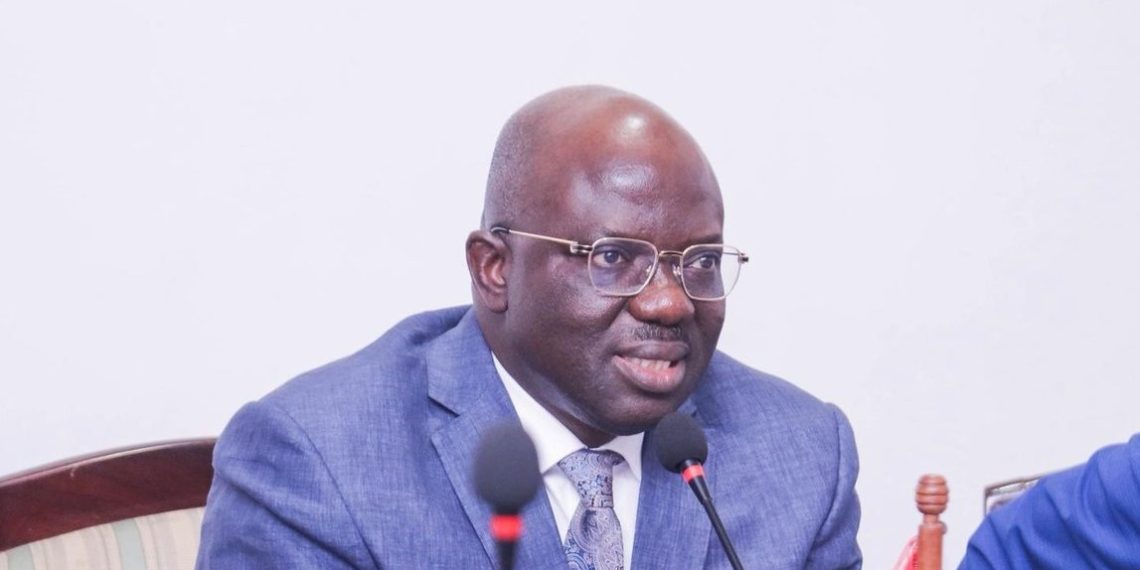
AGI President Kofi Nsiah-Poku has raised concerns over what he describes as a long-standing gap in the country’s energy system. He pointed out that while companies are increasingly adopting solar solutions, they are unable to channel surplus power back into the national grid.
This limitation, he argued, weakens incentives for private sector investment in renewable energy and prevents businesses from maximizing returns on their power generation efforts.
Reverse metering, a system widely used in other countries, allows electricity consumers to feed excess power into the grid and draw from it when needed, with only the net usage billed at the end of a cycle. Nsiah-Poku stressed that such a system would significantly improve energy efficiency and support Ghana’s broader sustainability goals.
He questioned the readiness of the Electricity Company of Ghana to adopt the approach, suggesting either a lack of technical solutions or insufficient commitment to integrating private-generated power into the grid.
The AGI’s position highlights a growing disconnect between government-backed solar initiatives and the infrastructure needed to support them, as calls intensify for reforms that will better align policy with the country’s renewable energy ambitions.