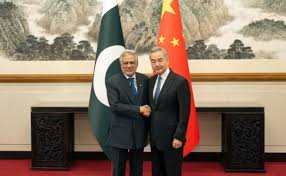
Amid escalating violence and fears of a broader global crisis, China and Pakistan have jointly proposed a five-point peace initiative aimed at halting hostilities in the Gulf and wider Middle East.
The proposal, led by Wang Yi and Mohammad Ishaq Dar, calls for immediate dialogue, restraint, and a commitment by all parties to resolve disputes through diplomacy rather than force.
The move comes as the United Nations warns that the ongoing conflict—now involving multiple countries—risks spiralling into a wider war with severe global consequences.
At the heart of the proposal is a call to protect civilians and critical infrastructure, including energy facilities and shipping routes such as the strategically vital Strait of Hormuz, where disruptions have already affected global trade and energy supplies.
China and Pakistan also urged respect for international law, particularly the UN Charter, stressing the need to safeguard national sovereignty and prevent further escalation.
The conflict has already triggered ripple effects beyond the region, with the Food and Agriculture Organization warning of rising global food prices linked to energy cost surges.
Human rights group Amnesty International has meanwhile called for an immediate halt to attacks on civilians, highlighting growing humanitarian concerns as infrastructure destruction and loss of life continue to mount.
With military operations spreading across more than 10 countries, the joint initiative underscores increasing international pressure to de-escalate tensions and restore stability before the crisis deepens further.