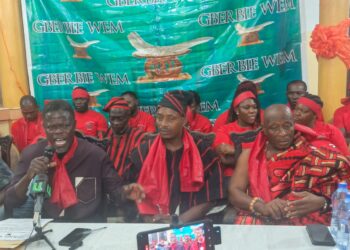
Tsakpe in the Volta Region is witnessing a renewed push for grassroots development as a local youth group takes the lead in mobilising resources and uniting the community through a series of impactful activities.
The Tsakpe Youth for Development has rolled out a three-day programme focused not only on fundraising but also on strengthening community bonds and promoting healthy living. The initiative reflects a growing trend of young people stepping up to address local challenges rather than relying solely on government intervention.
According to the group’s Public Relations Officer, Mr Michael Quame Dzide, the annual programme has become a cornerstone of community-driven development over the past four years. He emphasised that the effort is inclusive, encouraging participation from both residents and visitors to collectively contribute to Tsakpe’s growth.
This year’s activities combine social engagement with practical impact. Events such as clean-up exercises, health walks, and free medical screenings aim to improve sanitation and raise awareness about conditions like diabetes, tuberculosis, and HIV. At the same time, recreational activities—including indoor games and a football gala featuring teams from nearby communities—are fostering unity and youth engagement.
Beyond the activities, the initiative is strategically focused on long-term benefits. Funds raised will go toward acquiring essential items such as canopies and chairs to support local events, reducing the community’s reliance on external resources. Previous editions of the programme have already delivered tangible results, including the construction of a pavilion at Tsakpe Bawagbe, with plans underway to expand it into a full community centre.
Cultural preservation is also a key component of the event, with evening entertainment showcasing traditional performances like the bobobo dance, alongside bonfire gatherings that celebrate local heritage.
The programme will conclude with a grand durbar, bringing together traditional leaders, political figures, and other stakeholders to deliberate on development priorities. The inclusion of neighbouring communities such as Sovieda, Botoku, Churukpe, and Okunya highlights a broader vision of regional cooperation and shared progress.
By blending health, culture, and development into one initiative, the youth of Tsakpe are demonstrating how local action can drive meaningful change and inspire collective responsibility across communities.