
















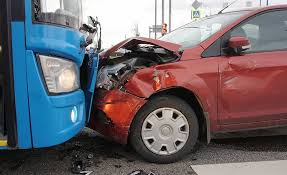
The World Health Organization has praised Ghana’s newly introduced road traffic law and safety standards, describing them as a major public health intervention expected to significantly reduce deaths and serious injuries on the country’s roads.
The reforms, adopted by Parliament in December 2025 and being enforced from 2026, introduce stricter rules on child restraints, motorcycle helmet use, and drink-driving, aligning Ghana more closely with international road safety recommendations.
According to the WHO, the changes are timely, given the rising number of road traffic fatalities in the country, which increased by about 65 per cent between 2016 and 2021, with nearly 3,000 deaths recorded annually.
The organisation noted that Ghana’s road fatality rate—about 26 deaths per 100,000 people—remains significantly higher than both the global average and the African regional average.
WHO Representative in Ghana, Dr Fiona Braka, said the legislative reforms represent a major milestone in the country’s road safety efforts.
“Ghana’s amendment to the national road traffic act and new safety standards marks a major step forward for road safety,” she said, adding that WHO supported the development of the law.
She stressed, however, that legislation alone is not enough, calling for strong enforcement, coordination, and leadership to ensure lasting impact.
A key feature of the new law is the introduction of strict child safety seat requirements, making it mandatory for children to use age- and size-appropriate restraints in vehicles.
WHO noted that proper child restraints can reduce the risk of death in crashes by up to 71 per cent among young children.
The reforms also tighten drink-driving regulations, lowering the legal blood alcohol concentration limit for drivers from 0.08 to 0.05 grams per decilitre, in line with global safety standards.
WHO data shows that alcohol consumption is a major factor in road crashes, with up to 69 per cent of drivers killed in some low- and middle-income countries found to have consumed alcohol.
Motorcycle safety is another key focus, with the new standards requiring all riders to wear approved helmets, which WHO says can reduce the risk of death by more than six times in a crash.
Motorcycle users account for about a third of road deaths in Ghana, according to WHO estimates.
The reforms form part of a broader global effort supported by WHO and partners, including the Bloomberg Philanthropies Initiative for Global Road Safety, which has helped more than 60 countries strengthen road safety laws since 2007.
The WHO said Ghana’s progress aligns with global targets aimed at halving road traffic deaths and injuries by 2030, ahead of an upcoming United Nations High-Level Meeting on road safety.
Globally, road crashes kill nearly 1.2 million people each year, with children and young people among the most affected groups.
While commending Ghana’s progress, WHO stressed that consistent enforcement will be crucial to translating the new laws into real reductions in fatalities.
Legal practitioner and Rule of Law Specialist at the Legal Resources Centre, Mr Enock Jengre, also welcomed the reforms but warned that enforcement remains the key challenge.
“What we need now is strict enforcement. That is the only way we will see real results,” he told the Ghana News Agency.

Gberbie Family Alleges Death Threats, Fears for Lives of Family Head and Elders Over land
The Gberbie Ayiku Wem Lakple family of Prampram has raised alarm over alleged threats to the lives of its head,...





