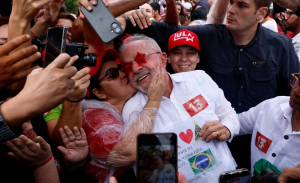
Colombia is set for a fiercely contested presidential runoff after voters delivered a divided verdict in the first round of elections, setting up a showdown between conservative outsider Abelardo de la Espriella and left-wing Senator Iván Cepeda.
With more than 99 per cent of ballots counted, de la Espriella emerged as the leading candidate with 43.74 per cent of the vote, while Cepeda secured 40.90 per cent, forcing a second-round contest on June 21 after neither candidate achieved the outright majority required for victory.
The runoff is expected to become a defining battle over Colombia’s political direction, pitting de la Espriella’s promises of tougher security policies and economic liberalisation against Cepeda’s commitment to continuing the progressive reforms introduced under President Gustavo Petro.
The result has effectively transformed the election into a referendum on Petro’s presidency and the future of his political legacy. Constitutionally barred from seeking another term, Petro leaves office amid mixed public assessments of his administration’s performance on security, economic growth, healthcare reform and peace-building efforts.
De la Espriella, a lawyer and businessman who has positioned himself as a political outsider, campaigned on restoring law and order, strengthening security cooperation with international allies, lowering taxes and expanding investment in the energy sector.
Following his first-round victory, he expressed confidence that Colombians were ready for change and pledged to defeat what he described as authoritarian tendencies within the current political system.
His campaign received a significant boost when conservative candidate Paloma Valencia, who finished third with 6.92 per cent of the vote, publicly endorsed him and urged her supporters to unite behind his candidacy in the runoff.
Meanwhile, Cepeda enters the final round as the candidate of the governing Historic Pact coalition and the principal defender of Petro’s reform agenda. A veteran human rights advocate and legislator, he has campaigned on expanding social inclusion, protecting human rights, advancing agrarian reform and continuing efforts to negotiate peace agreements with armed groups.
Cepeda has portrayed the election as a choice between preserving social reforms and returning to traditional political structures that have historically dominated Colombian politics.
Security remains one of the most critical issues shaping voter decisions. Concerns over rising criminal activity, armed group operations and political violence have intensified throughout the campaign, raising questions about the effectiveness of the government’s “Total Peace” strategy.
While supporters argue that the policy represents a long-term effort to end decades of conflict through dialogue, critics contend that it has emboldened criminal organisations and weakened public security.
Beyond domestic issues, the outcome of the election is expected to influence Colombia’s relationships with key international partners, particularly the United States.
As one of Washington’s closest allies in Latin America, Colombia plays a central role in regional efforts to combat drug trafficking, strengthen security cooperation and manage migration challenges.
The two candidates have offered contrasting approaches to foreign policy. Cepeda advocates a more independent diplomatic posture and stronger regional integration within Latin America, while de la Espriella has called for closer alignment with the United States and other traditional allies on security and economic matters.
Political observers believe the June 21 runoff will not only determine Colombia’s next president but also shape the country’s economic priorities, security strategy and international partnerships for years to come.
With the electorate deeply divided and both candidates commanding significant support, the final weeks of campaigning are expected to be among the most closely watched in Colombia’s recent political history.