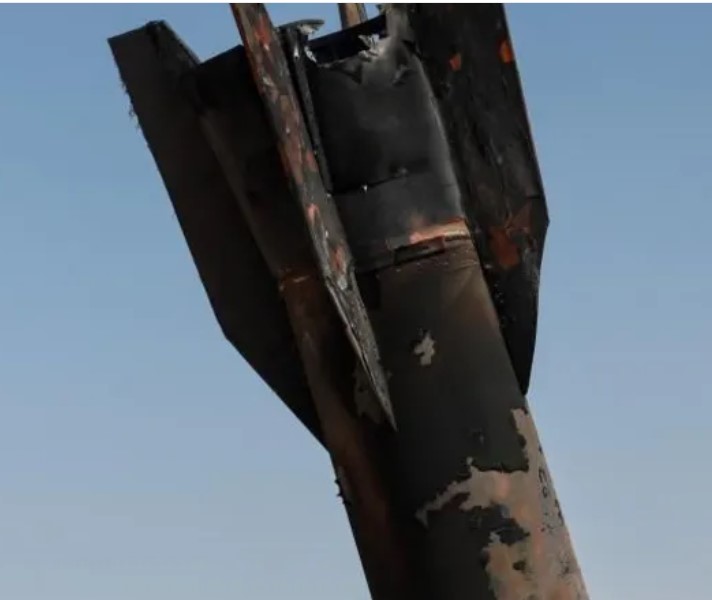
Iran’s overnight missile and drone attack on Israel, launched in response to Israeli strikes on Hezbollah targets in Lebanon, is being viewed less as a conventional military escalation and more as a deliberate political signal.
While the immediate impact of the attack appeared limited in military terms, analysts say its wider significance lies in what it reveals about Tehran’s evolving regional posture and strategic confidence.
Unlike previous incidents where Iran framed direct action against Israel as retaliation for attacks on its own territory or personnel, this latest move followed an Israeli strike on a Hezbollah-linked site in southern Beirut. That shift suggests Iran may now be extending its threshold for response to include attacks on allied groups across its regional network.
Although Iranian authorities later indicated a pause in further strikes, the decision to act at all has raised questions about Tehran’s intentions amid already fragile tensions in the Middle East and ongoing diplomatic discussions with the United States.
Observers say the Islamic Republic’s thinking may have been shaped by its experience of sustained pressure in recent months, including sanctions and military threats, which nonetheless did not destabilise its government or security apparatus. Instead, Iranian leaders may interpret their survival through these challenges as evidence of resilience rather than vulnerability.
This perception could be encouraging a more assertive approach, with Iran signalling that strikes against its allies will be treated as red lines requiring response. The message is seen as aimed not only at Israel, but also at Tehran’s wider network of regional partners, including Hezbollah and Iraqi militias.
At the same time, the timing of the operation has drawn attention, coming amid signs of potential diplomatic engagement with the United States. While conventional logic suggests such talks would discourage escalation, analysts note that Iran may be using calibrated military action to strengthen its bargaining position rather than undermine negotiations.
Some believe the strike was designed to demonstrate capability and deterrence without triggering a full-scale regional war, reinforcing Iran’s leverage while keeping diplomatic channels open.
Reactions within Iran remain divided, with some citizens viewing the operation as a legitimate act of regional solidarity, while others question its priorities and potential risks. However, there is broad concern about the possibility of further escalation.
Ultimately, the episode points to a leadership attempting to balance confrontation and diplomacy, while redefining how far it is willing to go in defending its regional influence.