
















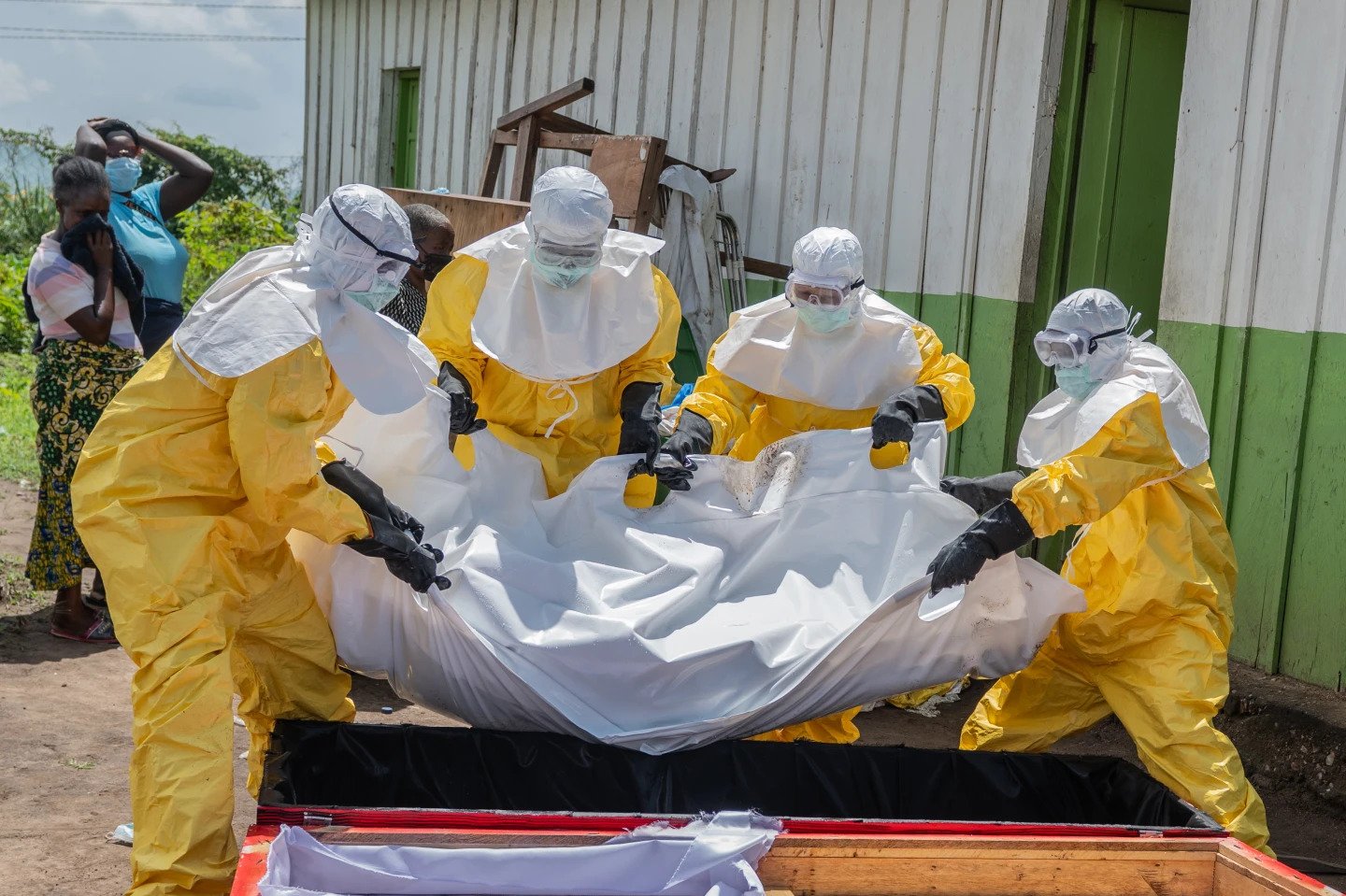
The death toll from the latest Ebola outbreak in eastern Democratic Republic of Congo has risen above 100, less than a month after health authorities officially declared the epidemic, raising concerns over the rapid spread of the deadly virus.
According to the latest health situation report, 101 people have died out of 550 confirmed cases, while only 19 patients have recovered since the outbreak was announced on May 15.
Health officials say efforts to contain the disease are being hampered by insecurity, attacks on healthcare workers, community mistrust and delays in identifying cases. The outbreak is concentrated largely in Ituri Province, which accounts for more than 90 per cent of infections, although cases have also been reported in North Kivu, South Kivu and neighbouring Uganda.
Authorities believe the actual number of infections may be significantly higher because the outbreak was detected weeks after it began and contact tracing remains incomplete despite recent improvements.
The World Health Organization (WHO) reported that only 137 samples were tested over the past 24 hours, with 35 returning positive results, highlighting the continuing spread of the virus.
Unlike previous Ebola outbreaks in Congo, the current epidemic is linked to the rare Bundibugyo strain, for which there is currently no approved vaccine or specific treatment. This has heightened concerns among public health experts about the difficulty of containing the disease.
Officials said the sharp rise in confirmed cases is partly due to expanded laboratory testing, which has enabled health workers to process a backlog of previously collected samples.
Meanwhile, measures introduced to curb transmission have begun affecting daily life in affected communities. In Bunia, the capital of Ituri Province, transport operators and residents say restrictions aimed at limiting contact are disrupting economic activities.
Health authorities continue to intensify surveillance, testing and public education campaigns as they work to prevent further spread of the outbreak and avert a wider regional health crisis.






