In a bid to improve the quality of education and tackle child malnutrition, the Ghanaian government has unveiled plans to significantly enhance the School Feeding Programme (SFP) through increased funding and strategic partnerships.
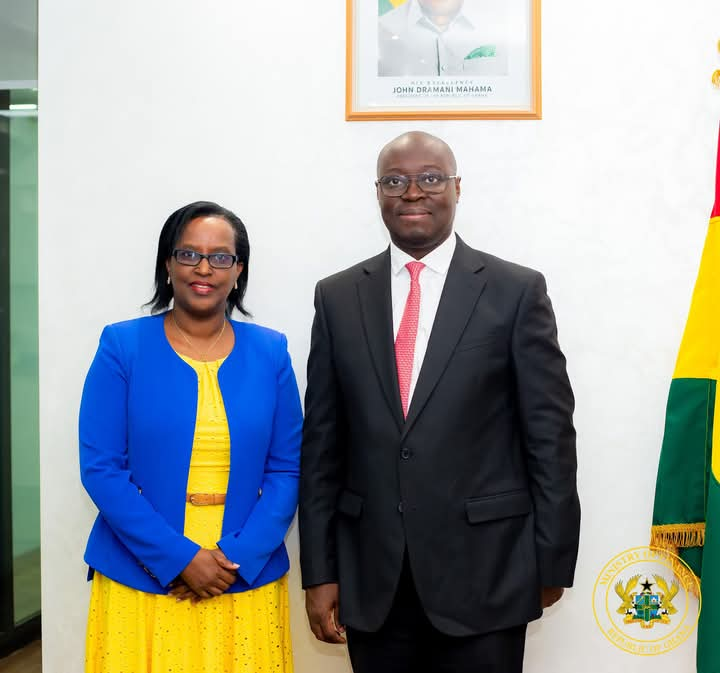
The announcement was made during a crucial meeting between Finance Minister Dr. Cassiel Ato Forson and Ms. Aurore Rusiga, the new Country Representative for the United Nations World Food Programme (WFP).
As part of this effort, the government revealed an increase in the daily feeding rate, raising it from 1 cedi to 2 cedis per student. This doubling of the feeding allowance is expected to improve the nutritional quality of meals provided to children in schools, addressing longstanding concerns over inadequate nourishment.
In alignment with this boost, the government has allocated 1.78 billion cedis for the SFP in the national budget for this year, signaling a firm commitment to investing in the country’s educational future. This funding increase is expected to not only enhance the programme’s reach but also address key operational challenges, including the timely payment of caterers.
The collaboration with the WFP is central to the government’s strategy. The WFP has pledged to enhance the nutritional value of the meals by introducing fortified rice into the feeding programme, which will provide students with essential micronutrients. This initiative is part of a broader effort to combat malnutrition and improve both the physical and cognitive development of students, ultimately contributing to better academic performance.
At the heart of the discussions was the need for a robust evaluation of the SFP to ensure its long-term sustainability. The WFP, alongside the World Bank and the Ghanaian government, will conduct a comprehensive assessment of the programme, looking into its efficiency and effectiveness. This collaboration aims to create a solid foundation for the future of the SFP, ensuring that it can reach more students and provide them with nutritious meals on a consistent basis.
One of the key outcomes of the meeting was the government’s commitment to resolving the persistent issue of delayed payments to caterers. Dr. Ato Forson emphasized that timely payments are critical for the smooth functioning of the programme and assured that steps would be taken to ensure that caterers are compensated promptly. This move is expected to foster greater trust and cooperation between the government and caterers, ensuring the continued success of the initiative.
With increased funding, strategic partnerships, and a commitment to addressing operational challenges, the government’s vision for the SFP is clearer than ever. By improving child nutrition and the reliability of the programme, the government aims to set a strong foundation for the health and education of Ghana’s next generation. The collaboration between the government and the WFP marks a significant step toward achieving these goals, providing hope for a healthier, better-educated future for the children of Ghana.