The government has reaffirmed its commitment to the 24-hour economy policy, describing it as a bold and transformative strategy to overhaul Ghana’s economic structure and break free from chronic import dependency.
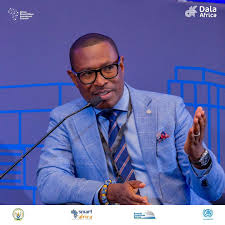
Dr. Ishmael Nii Amanor Dodoo, Head of Innovative Finance at the 24-Hour Economy and Accelerated Export Development Secretariat, said the initiative is far more than political rhetoric — it is a national vision that seeks to establish Ghana as a self-reliant, production-based economy.
Speaking at the launch of the Ghana Investment Promotion Centre (GIPC) 24-Hour Premium Service in Accra, Dr. Dodoo declared the 24-hour economy a “citizen-driven vision” that addresses the root causes of Ghana’s economic vulnerabilities.
Currently, imports account for nearly 80 percent of goods and services in the country — a figure Dr. Dodoo says represents a major threat to economic stability, food security, and job creation. “Just three foreign entities control 80% of our economy. That’s unsustainable,” he stated.
Citing the staggering $1 billion annual import bill for poultry and rice alone, Dr. Dodoo warned that Ghana’s economic future hinges on its ability to grow what it eats and produce what it consumes.
“When your plate of food enriches foreign producers more than local farmers, you lose not just money but also food sovereignty,” he said.
To combat this, the 24-hour economy plan will prioritize local value chains in agriculture, including cassava, rice, and soya, to spur industrialization and boost exports. He emphasized the potential of cassava not only as food but as a raw material for ethanol and starch industries.
On the manufacturing front, Dr. Dodoo revealed Ghana currently produces only 20 million yards of fabric annually against a demand of 100 million, leaving an 80% gap filled by imports, mainly from China. “This is a missed opportunity for local textile industries and jobs,” he stressed.
He also pointed to the pharmaceutical sector, which has the capacity to produce essential medicines including vaccines and antiretrovirals, but is hindered by unfavorable conditions.
With the 24-hour economy model, the government hopes to transform these weaknesses into opportunities, turning Ghana into a hub of production, innovation, and export — around the clock.