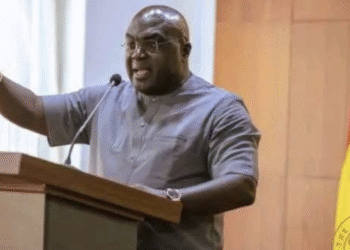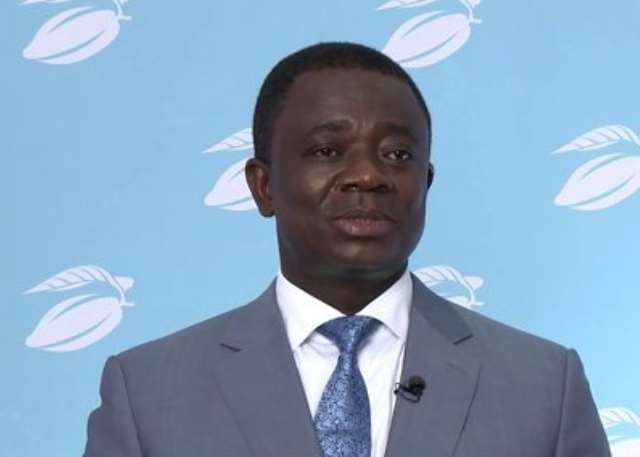
Following the dramatic end of an eight-year legal saga, Dr. Stephen Kwabena Opuni, former CEO of COCOBOD, has publicly condemned his prosecution as politically motivated persecution, raising renewed concerns about the use of Ghana’s justice system for partisan ends.
Speaking to the media after a Thanksgiving service on Sunday, Dr. Opuni expressed emotional relief and reaffirmed his innocence, framing the withdrawal of charges as divine vindication after years of what he described as “suffering at the hands of the wicked.”
“I was prosecuted for eight years and I kept praying. I knew that I was innocent,” he said. “God has delivered me from the hands of my enemies.”
On January 28, 2025, an Accra High Court, presided over by Justice Aboagye Tandoh, formally struck out the corruption case after Attorney-General Dominic Ayine directed the withdrawal of all 27 charges against Dr. Opuni and businessman Seidu Agongo. The charges ranged from financial loss and fraud to money laundering and corruption linked to the procurement of Lithovit Liquid Fertilizer.
The case, one of the most prominent corruption trials in Ghana’s recent history, saw dozens of witnesses, procedural delays, and multiple judicial changes. Critics argue that the protracted trial—launched under the Akufo-Addo administration—reflected the weaponization of legal processes to damage political opponents, rather than pursue credible evidence-based justice.
Legal experts have long expressed skepticism over the strength of the prosecution’s case, citing lack of concrete evidence and procedural inconsistencies that dragged the trial for years without resolution.
The State Attorney did not disclose reasons for the sudden withdrawal of the case, further fuelling speculation over the original motivations behind the prosecution.
The collapse of the Opuni trial is now raising broader questions about accountability, prosecutorial discretion, and public trust in Ghana’s legal system. Many observers argue that such high-profile cases should be built on ironclad evidence and conducted transparently to preserve the credibility of anti-corruption efforts.
Dr. Opuni’s emotional statement, while celebratory, echoed a deeper grievance felt by many who see political trials as a distraction from systemic reform.
“This wasn’t just about me—it was about how the system is used to punish the innocent,” he told reporters.
As Ghana continues its fight against corruption, the Opuni case is likely to remain a cautionary tale—one that underscores the delicate balance between seeking justice and ensuring it is not driven by politics.