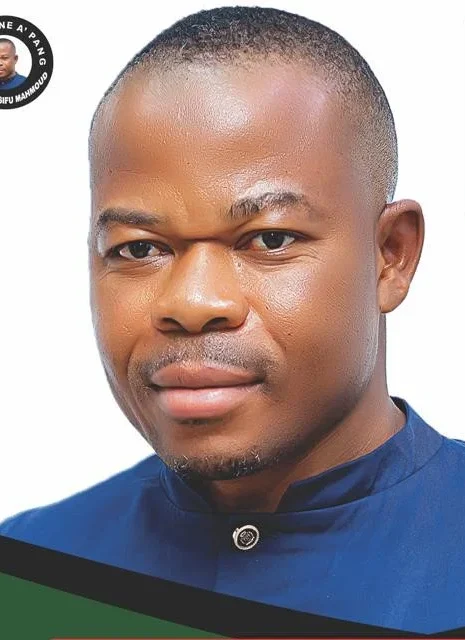
Issifu Mahmoud, Member of Parliament (MP) for Binduri, has raised concerns over the recent GHC150,000 allocation provided to MPs for the monitoring of education-related projects within their constituencies, describing the amount as “woefully inadequate.”
While the Ghana Education Trust Fund (GETFund) distribution formula approved GHC250,000 for each MP to fund education-related projects, the additional GHC150,000 allocated for monitoring purposes has sparked controversy, with some questioning the sufficiency and necessity of the funds.
In a candid interview with Channel One Newsroom, MP Mahmoud defended the allocation, highlighting the financial strain MPs face as they attempt to meet the growing demands from their constituencies. According to him, GHC150,000 would barely cover the multitude of financial obligations MPs are expected to address, which range from school fees to medical assistance for constituents in need.
While Mahmoud acknowledged the validity of critics’ concerns, he argued that the critics might not fully understand the scope of an MP’s role in their constituency. He emphasized that MPs regularly go beyond their official budget to assist their communities, often spending their own money to support constituents’ needs.
“I understand the criticism, but those who criticize the allocation are unaware of the demands MPs face daily. Many senior MPs spend far more than GHC150,000 monthly on their constituency’s needs,” he explained. “The allocation for monitoring is simply not enough to cover the essential duties we are expected to fulfill.”
The GHC250,000 per MP, as outlined in the recent Parliament decision, is aimed at improving educational infrastructure and resources in various constituencies. The funds are meant to enhance school facilities, purchase learning materials, and support educational development across the country.
However, the additional GHC150,000, which is allocated for monitoring and oversight, has been met with mixed reactions. Critics argue that while the funds are necessary for effective oversight, the amount is insufficient to handle the widespread needs that MPs are expected to address in their constituencies.
This debate brings to light the constant tension between funding, accountability, and the reality MPs face on the ground. While the funds are meant to support essential education projects, some MPs, particularly in under-resourced areas, argue that the amounts are too small given the breadth of their responsibilities.
As the debate continues, the broader question remains: Are the allocations adequate to truly meet the needs of MPs and their constituencies, or are they a symbolic gesture that overlooks the deeper challenges in constituency development?