
















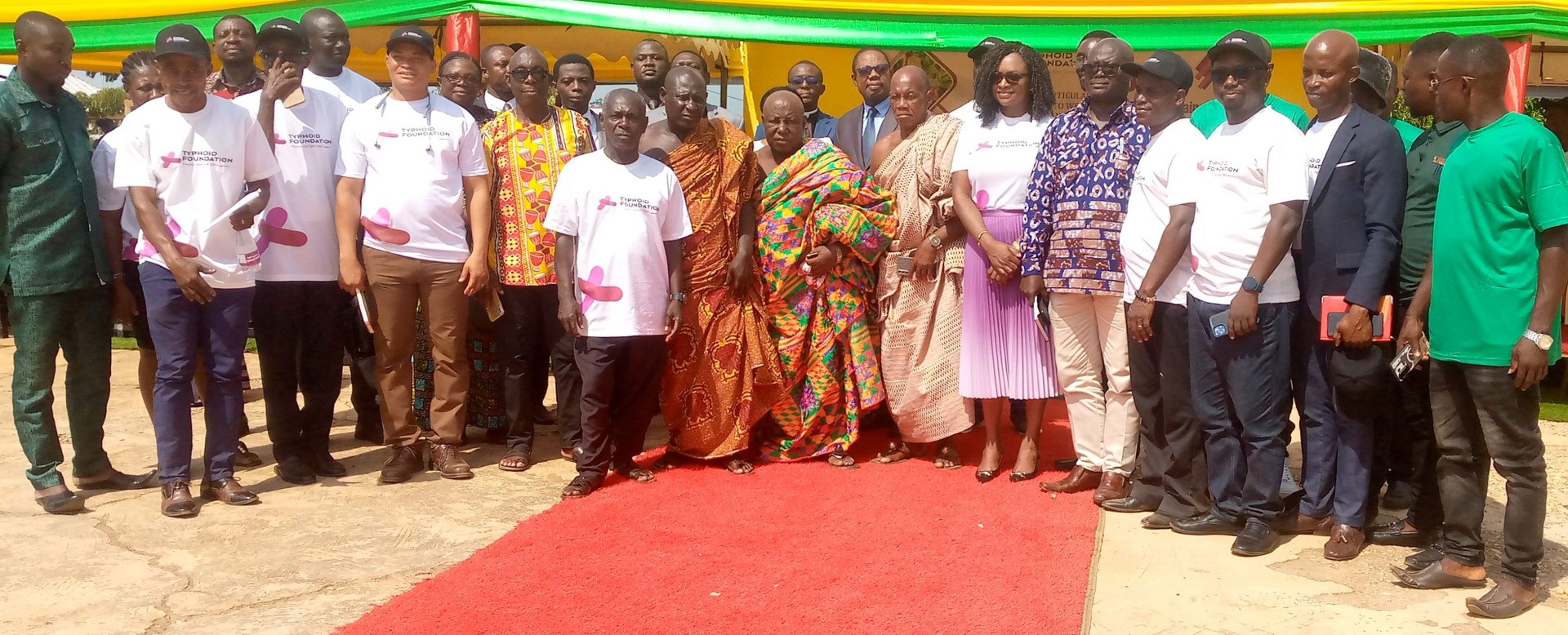
Health officials in the Birim Central Municipality have raised alarms over the rising cases of typhoid fever, with the area recording the highest number of infections in the Eastern Region in 2024. The situation has prompted intensified efforts to combat the disease through vaccination, improved sanitation, and public education.
At the launch of a typhoid fever awareness campaign in Akyem Aboabo, Mr. Bismark Sakordie, the Birim Central Municipal Health Director, disclosed that the municipality recorded 15,761 cases in 2024, a sharp rise from 11,766 cases in 2023. The statistics revealed that women and children were disproportionately affected, with 10,297 cases among females compared to 5,464 among males in 2024.
“This alarming increase highlights the urgent need for collective action to address the root causes, particularly poor sanitation and unsafe drinking water,” Mr. Sakordie stated.
The data also suggests that market women, food vendors, and children living in densely populated areas with inadequate sanitation face the highest risk of infection. Experts believe that food contamination in markets and street vending locations, coupled with limited access to clean water, has contributed to the surge in cases.
Mrs. Anita Asiedu Marfo, Executive Director of the Typhoid Foundation, underscored the importance of community-based interventions. “Vaccination, improved hygiene, and proper food handling are crucial in breaking the cycle of typhoid transmission. This campaign aims to ensure that no one dies from a preventable disease,” she emphasized.
To curb the spread, health authorities are advocating for mandatory hygiene training for food vendors, improved waste management systems, and mass vaccination drives. The Ghana Health Service is also urging households to boil water before drinking, wash hands frequently, and use proper toilet facilities instead of resorting to open defecation.
The campaign’s launch was marked by community engagement activities, including drama performances and educational outreach, aimed at demystifying typhoid fever and promoting behavioral change. The Typhoid Foundation further reinforced its commitment to child welfare by donating exercise books to local primary schools as part of its broader initiative to integrate health education into school curricula.
With typhoid cases on the rise, health authorities and civil society organizations are calling for increased investments in water and sanitation infrastructure to provide long-term solutions. As the fight against typhoid intensifies, the success of these interventions will depend on sustained community participation and government support.






