
















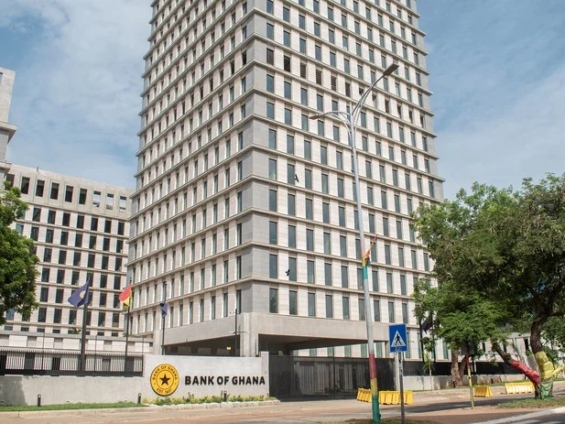
The Bank of Ghana (BoG) has rolled out a stricter regulatory regime aimed at curbing the issuance of dud cheques, introducing tougher penalties that include long-term cheque bans and restrictions on access to credit facilities.
The new measures, which took effect immediately on June 24, 2026, are intended to restore confidence in cheque transactions and strengthen discipline within Ghana’s financial system.
According to the central bank, the latest directive replaces previous guidelines issued in 2021 and 2025, following persistent concerns about the continued prevalence of dishonoured cheques despite earlier interventions.
Under the revised framework, customers who issue a dud cheque for the first time will be required to pay a penalty amounting to 10 percent of the cheque’s value. They will also receive a formal warning, be monitored by their financial institution for at least one year, and have the offence reported to both the Bank of Ghana and Credit Reference Bureaus.
Individuals who commit a second offence within the same one-year period will face a higher penalty of 15 percent of the cheque amount, in addition to further reporting and monitoring measures.
The most severe sanctions will apply to customers who issue a third dud cheque within a year. Such offenders will be fined 20 percent of the cheque value and barred from issuing cheques in Ghana for a minimum of three years.
In addition, the Bank of Ghana will prohibit third-time offenders from accessing new credit facilities from banks and Specialised Deposit-Taking Institutions (SDIs) for one year. Financial institutions across the country will be formally notified of the restrictions.
Although sanctioned customers may continue to receive deposits and conduct electronic transactions on their accounts, they will not be allowed to issue cheques during the ban period.
The central bank also announced plans to establish a Directory of High-Risk Cheque Issuers to enhance monitoring of repeat offenders and support risk assessment by financial institutions.
Customers who fail to return unused cheque books within ten working days after being notified of a sanction could face additional restrictions, including possible disqualification from operating current accounts. Their names may also be entered into the high-risk directory.
Furthermore, the Bank of Ghana reserves the right to publish the names of customers who commit a third dud cheque offence.
The directive places additional responsibilities on banks and SDIs, including the submission of monthly reports on dud cheque incidents to the central bank and continued reporting to Credit Reference Bureaus under existing credit reporting laws.
Financial institutions that fail to provide accurate and timely reports could themselves face regulatory penalties under the Banks and Specialised Deposit-Taking Institutions Act.
The Bank of Ghana believes the strengthened enforcement framework will improve payment discipline, reinforce credit reporting systems and restore public confidence in cheque transactions, which remain a critical payment method for many businesses despite the growth of digital financial services.






