
















A Social Development Officer with the Department of Community Development, Ms. Linda Kafui Loh, has raised concerns over the growing risks children face when caregivers fail to meet their basic physical, emotional, and psychological needs.
She warned that persistent neglect can severely affect a child’s health, protection, and overall development, with adolescents increasingly exposed to additional risks due to expectations that they should fend for themselves or take on adult responsibilities prematurely.
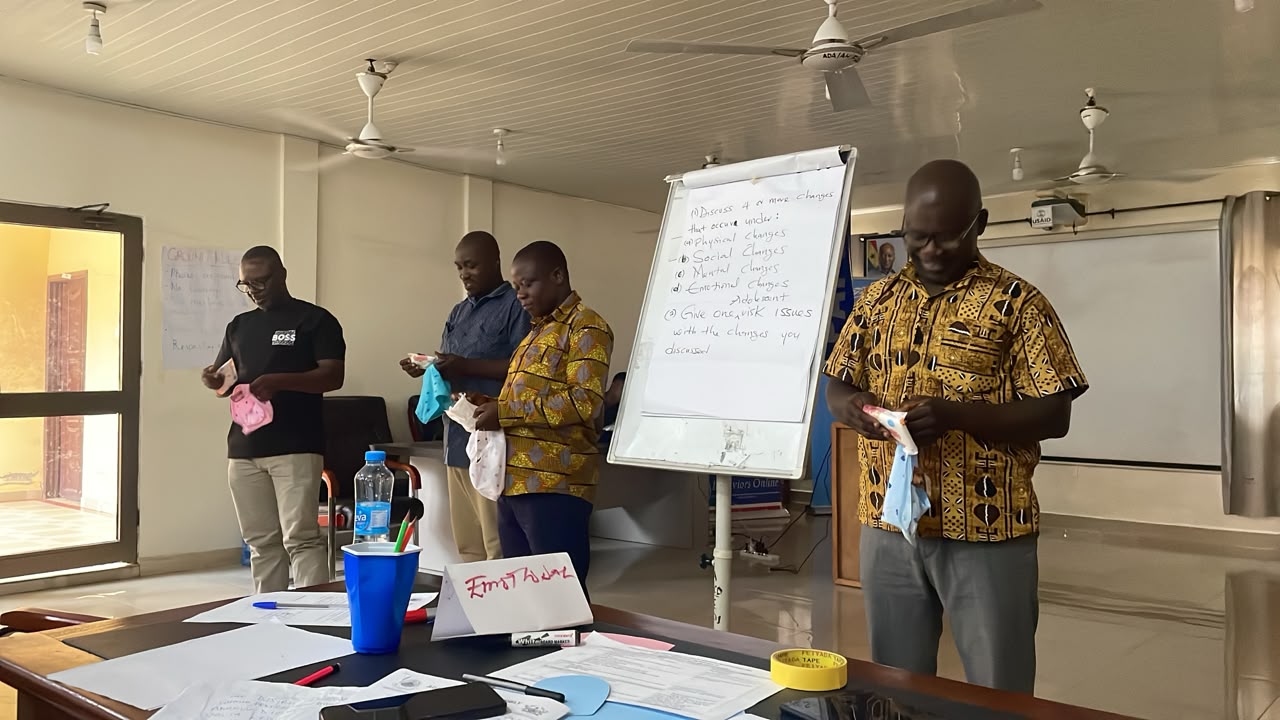
Ms. Loh made the remarks on Tuesday at Adaklu Waya during the opening of a two-day training workshop for members of the Adaklu District Child Protection Committee. The programme is aimed at strengthening participants’ capacity to respond to child protection cases using newly developed toolkits, while also sharing best practices on modern parenting and safeguarding children.
She explained that gaps in parental care often expose children to unsupervised activities, some of which can be hazardous or exploitative. She cited estimates suggesting that over 1,000 children and adolescents are involved in exploitative labour on fishing boats, while others, particularly boys, are drawn into mining and other dangerous work. Girls, she added, are also vulnerable to sexual exploitation in such environments.
Ms. Loh identified several forms of neglect, including medical, emotional, educational neglect, and lack of supervision, stressing that weak family and community support systems in early childhood often lead to long-term negative outcomes for both individuals and society.
She further noted that much of the violence experienced by adolescents occurs within domestic settings rather than from strangers, and includes physical, sexual, emotional abuse, neglect, and exploitation. According to her, entrenched gender inequalities continue to influence attitudes that sometimes normalise domestic violence.
Citing data on sexual violence, she said it remains one of the most common and serious human rights violations affecting adolescent girls, with long-term consequences on their development and wellbeing.
Ms. Loh also emphasised the importance of building adolescents’ self-esteem, confidence, communication skills, and resilience against peer pressure. She cautioned that negative peer influence can lead to harmful outcomes such as family conflict, legal issues, and health problems.
She urged parents and caregivers to play a more active role in guiding adolescents, particularly in the digital space, to protect them from online exploitation and ensure safe and positive engagement with technology.






