
















Catholic Relief Services (CRS) has stepped up efforts to deepen cooperation between civilians and security agencies as part of measures to prevent violent extremism in Ghana.
The initiative is being implemented under the Prevention of Violent Extremism through Social Accountability (PoVETSA) II Project, in partnership with the National Peace Council and the Kofi Annan International Peacekeeping Training Centre (KAIPTC), with funding support from the Netherlands Ministry of Foreign Affairs.
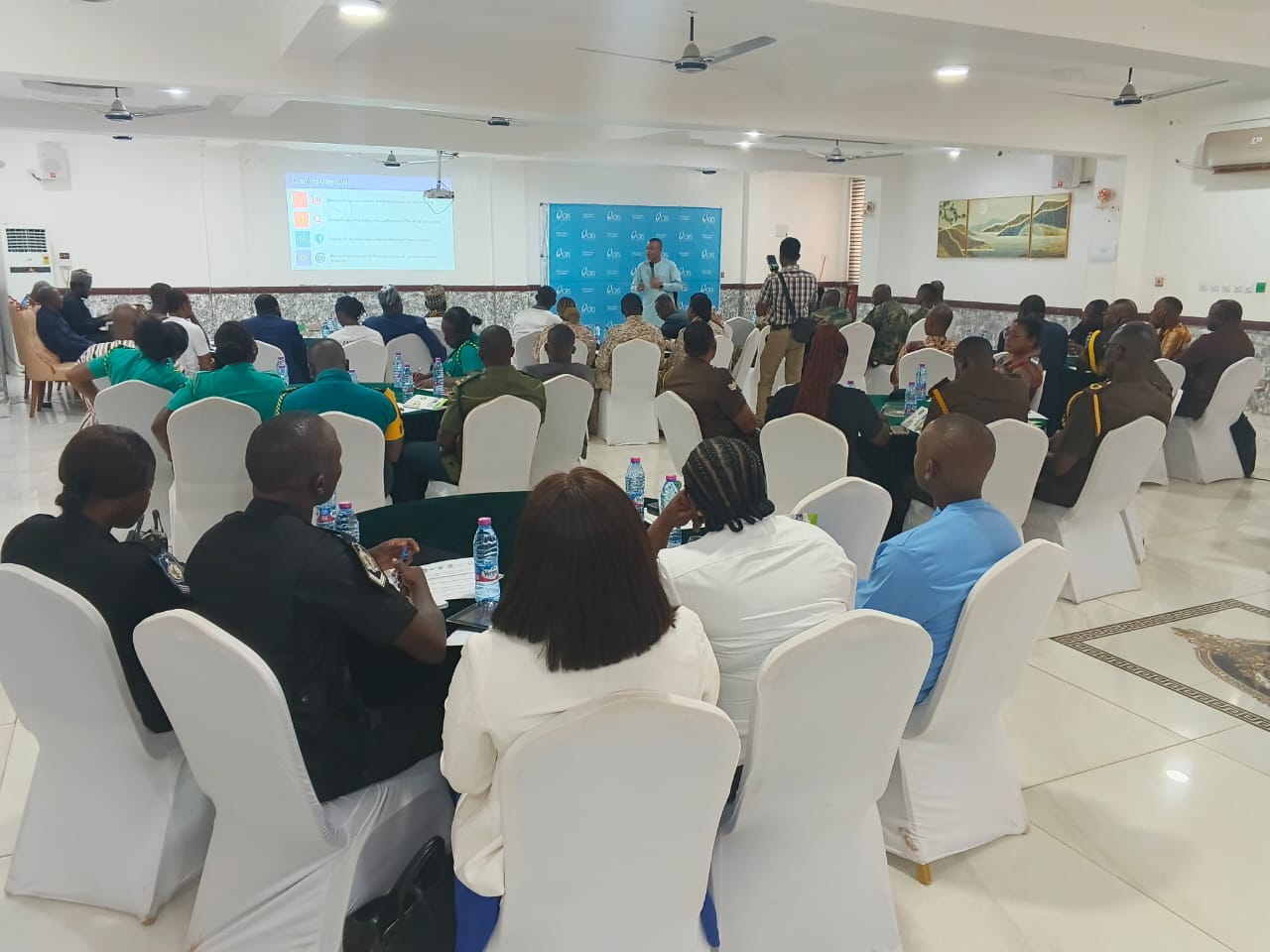
As part of the programme, a five-day capacity-building workshop was held in Wa to improve coordination between community actors and security institutions and to strengthen resilience against extremist threats.
Participants included personnel from security agencies in the Upper West Region, civil society organisations, religious leaders, youth groups and other key stakeholders involved in peacebuilding and community safety.
Opening the workshop, CRS PoVETSA Project Manager, Ms Adelaide Yiriyelleh, said sustaining peace and security requires the active involvement of all sectors of society, stressing that violent extremism prevention cannot be left to security agencies alone.
She explained that the training was designed to improve collaboration and build stronger partnerships between communities and security institutions to enhance early warning and response systems.
A major expected outcome, she noted, is to strengthen the capacity of both civilians and security actors to work together in building resilient communities.
Also speaking at the event, the Director for Conflict Management and Resolution at the National Peace Council, Mr Frank Wilson Bodza, highlighted concerns over mistrust between civilians and security agencies, describing it as a key challenge in prevention efforts.
He said bridging this trust gap is essential for effective intelligence sharing and community cooperation in tackling security threats.
Mr Bodza added that the workshop supports ongoing national efforts, including the “See Something, Say Something” campaign, which encourages citizens to report suspicious activities to authorities.
The PoVETSA II Project is being rolled out across all five regions of Northern Ghana, with training modules aimed at improving civilian–security engagement and strengthening community resilience against violent extremism.






