A disturbing trend is threatening the fabric of Ghanaian professionalism—fake certificates, unverified academic titles, and phony international awards are on the rise, casting a long shadow over the nation’s institutions. From boardrooms to lecture halls, and even healing centers, impostors and unaccredited operators are increasingly going unchecked.
Dr. U.N. and the awards that weren’t
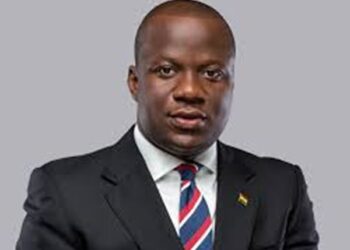
One of the most notorious examples is Kwame Fordjour, infamously known as “Dr. U.N.” He grabbed headlines by staging a lavish awards ceremony where he handed out counterfeit “United Nations” awards to unsuspecting celebrities and public figures. The likes of rapper Sarkodie, TV host Berla Mundi, musician D-Black, and even a university vice-chancellor were among those duped by what turned out to be a complete fabrication.
Saly Della: a medical mystery
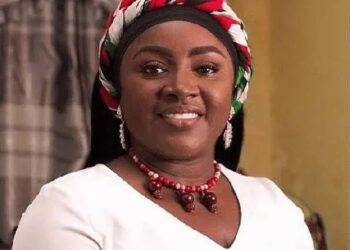
Another troubling case is that of Anne Sansa Daly, aka Saly Della, who claimed to be a U.S.-trained doctor and was appointed to the NHIA board. Investigations later cast doubt on her credentials, prompting President John Mahama to terminate her appointment. The incident highlights serious lapses in vetting by the NDC government, especially the Health Ministry’s failure to conduct proper background checks.
Unaccredited centers operating freely
The Ghana Tertiary Education Commission (GTEC) has revealed that several respected universities, including UCC, UDS, and UEW, have been running study centres across the country that lack proper accreditation. These centers, such as those in Sunyani and Koforidua, were offering academic programmes without any regulatory oversight. In another case, GTEC ordered a halt to partnerships involving unrecognized foreign institutions awarding degrees not valid for employment or promotion in Ghana.
Herbal centres and institutions receiving fake awards
Adding another twist to the growing scandal, there are suspicions that certain herbal medicine centers and local institutions have been receiving dubious awards from fake international organizations. These so-called “health excellence” and “innovation” recognitions are often self-styled and lack any legitimate global standing. Yet, recipients proudly display them as badges of honour, misleading the public and patients alike.
Regulatory authorities largely silent
While GTEC has made some moves to identify and sanction non-compliant institutions, many other regulatory bodies remain disturbingly silent. Several government agencies tasked with monitoring health, education, and public service have yet to take meaningful steps to investigate or penalize individuals and entities flaunting fake awards or credentials.
It appears some authorities are simply asleep on the job—turning a blind eye while Ghana’s credibility is chipped away by fraud and negligence.
The path forward
The spread of fake degrees and bogus awards is more than an embarrassment—it is a national crisis. It undermines trust in education, medicine, governance, and leadership. GTEC and its sister regulatory bodies must move beyond issuing statements and warnings. The time has come for prosecutions, public exposure, and a national verification system.
Ghana deserves authentic professionals, not polished pretenders. The nation must act now—or risk losing the very foundation of trust that keeps its institutions strong.
The writer, Nana Agyemang Prempeh is a political analyst.