
















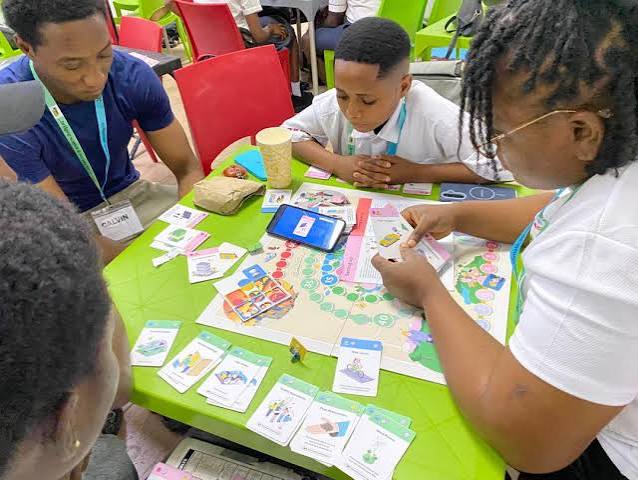
Young people are being encouraged to take a more active role in climate education as a youth-led organisation uses games, storytelling and cultural experiences to make climate change discussions more relatable and engaging.
The approach was demonstrated at the Youth Game Lab 2026 – Climate and Culture Edition, organised by The Climate Sociologist, where participants used local experiences and cultural knowledge to develop games that communicate climate-related issues.
The three-hour workshop, held at The Climate Sociologist Studios in Accra, brought together 30 participants aged between 12 and 40 from junior high schools, tertiary institutions and the working population.
Rather than relying on conventional lectures and presentations, the participants were challenged to become game designers and develop practical, non-digital tools for communicating issues including climate change, climate justice, net zero and the Sustainable Development Goals (SDGs).
Working in teams, the participants identified climate-related problems, defined their target players and objectives, developed game mechanics, produced prototypes and tested them through play sessions.
They used simple and recycled materials to create their games, which were assessed based on their ability to engage players, communicate messages clearly, ensure fairness and reflect local cultural realities.
Ms Emmaryn Leuzzi, a facilitator at the workshop, said the exercise showed that climate education could take forms beyond traditional classroom instruction.
“The final game pitches demonstrated something important: climate education does not always have to happen through lectures, reports or presentations. Sometimes, learning can happen through play,” she said.
The workshop also explored the role of African culture, indigenous knowledge, livelihoods and community experiences in shaping how people understand and respond to climate change.
The organisers said incorporating local knowledge into climate education could make climate discussions more relatable, particularly for young people whose understanding of environmental issues was often shaped by their immediate communities and everyday experiences.
They said creative approaches such as games and storytelling could also encourage participants to move from simply receiving information about climate change to actively thinking about solutions and how to communicate them to others.
The Climate Sociologist is a youth-led organisation that promotes climate education through culture, storytelling, the arts and research.
The organisation also runs Green Tales, an annual high school climate competition designed to engage students in climate-related learning and action.
The Youth Game Lab forms part of the organisation’s broader effort to explore innovative ways of equipping young people with the knowledge and creative tools needed to participate meaningfully in climate action.






