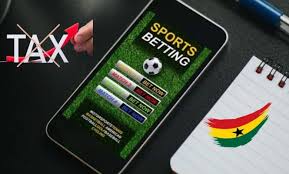
Ghana has repealed its controversial 10% gambling tax, less than two years after it was introduced, in a move aimed at reducing financial pressure on citizens and stimulating broader economic activity. The reversal reflects a shift in fiscal strategy under President John Mahama’s administration, as the government seeks to balance revenue generation with public welfare.
Initially introduced during former President Nana Akufo-Addo’s tenure, the tax applied to all gambling winnings and was designed to bolster domestic revenue and improve regulation in the rapidly growing betting industry. However, Finance Minister Dr. Cassiel Ato Forson argued that the policy disproportionately affected low- and middle-income earners, prompting its repeal.
“While the intention was to regulate and generate funds, the reality is that it was draining household incomes,” Dr. Forson said, noting the widespread popularity of gambling across the country.
According to a 2024 report, over 70% of Ghanaians have participated in betting activities, with many turning to online platforms for their convenience and enhanced security features such as cryptocurrency payments and inclave integration—a system that securely stores credentials for remote access. These platforms continue to draw more users, especially young adults, seeking entertainment and the prospect of financial gain.
President Mahama’s decision to eliminate the tax is part of a broader strategy aimed at boosting consumption and enhancing tax compliance. By putting more disposable income into the hands of citizens, the government hopes to stimulate economic activity amid Ghana’s ongoing fiscal challenges.
Though many Ghanaians and betting operators have welcomed the change—especially after a proposed hike to 50% was floated and later scrapped—some economists have expressed concern. The Institute of Economic Affairs (IEA), a prominent think tank, warned that the removal of the tax, alongside other recent revenue-losing policies, could result in a GHS6.4 billion ($483 million) shortfall, further straining Ghana’s public finances.
Despite this, betting companies have wasted no time capitalizing on the policy reversal. Many are rolling out aggressive marketing campaigns and generous sign-up bonuses in anticipation of a surge in user engagement.
As Ghana moves forward, the debate continues over the long-term fiscal implications of the repeal, even as the short-term benefits bring relief to thousands of households across the country.