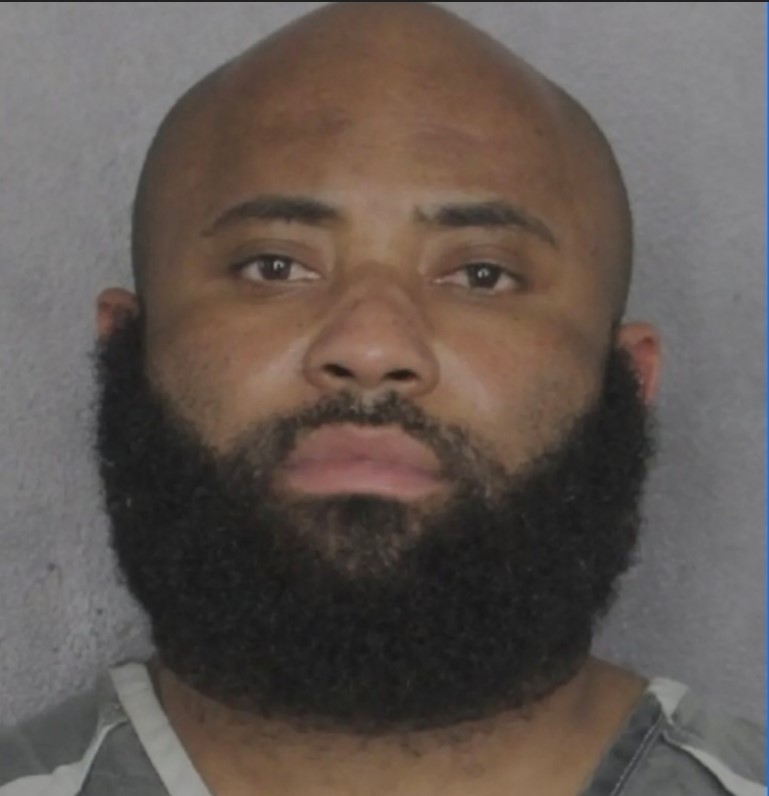
A Ghanaian-American, Kelvin Owusu Nkwantabisa, has been sentenced to 17 years in prison in the United States after being identified as a key figure in a large-scale international Business Email Compromise (BEC) fraud and money laundering network that stole more than $38 million from victims across the U.S. and other countries.
U.S. prosecutors said the 33-year-old, also known by aliases including “Kevin Brown” and “KO,” played a leading role in coordinating the U.S.-based operations of the scheme, which targeted businesses by infiltrating email systems and diverting legitimate payments into controlled accounts.
The court heard that the group gained access to corporate email communications, monitored ongoing financial transactions, and then impersonated trusted business partners to redirect funds into accounts they controlled. The stolen money was later moved through multiple bank accounts and shell companies to disguise its origin.
Authorities said Nkwantabisa coordinated with overseas collaborators, set up bank accounts across several states, and supervised the laundering of proceeds from the fraud scheme. His actions contributed to losses exceeding $38 million, according to investigators.
Several co-conspirators were also sentenced for their roles. Leshea Moore received more than 11 years in prison for establishing shell companies and helping process illicit funds. Justice Amoh was handed a three-year sentence for opening fraudulent accounts under false identities, while John Jouissance received four years for facilitating the movement of stolen money through shell structures.
U.S. Attorney Jason A. Reding Quiñones described the operation as a coordinated fraud built on deception and exploitation of trust, saying the defendants manipulated legitimate business communications to siphon millions of dollars.
He added that the case highlights ongoing efforts by U.S. authorities, including Homeland Security Investigations, to dismantle transnational cyber-enabled financial crime networks and deter similar schemes.
The sentencing is part of a broader crackdown on Business Email Compromise fraud, which continues to cause major financial losses to businesses and individuals globally.