
















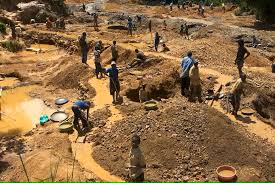
Ghana’s cocoa sector is facing a major threat from illegal mining activities, with more than 100,000 acres of high-yield cocoa farms already destroyed in some of the country’s leading cocoa-producing regions.
The Regional Manager of the Western South Cocoa Health and Extension Division of COCOBOD, Mr. Samuel Asuman, warned that the continued destruction of cocoa farms could push the industry into crisis if urgent measures are not implemented to protect cocoa-growing areas.
Speaking at Samahu during the presentation of the Cocoa Farmers Support Programme organised by the Gold Fields Ghana Foundation, Mr. Asuman said the loss of productive cocoa lands in the Ashanti, Western and Central regions had contributed to declining yields and reduced national cocoa output.
He explained that the fall in production volumes was affecting Ghana’s export earnings and limiting COCOBOD’s ability to meet financial obligations, including operational costs and farmer support initiatives.
Mr. Asuman identified illegal mining, popularly known as galamsey, as the biggest challenge confronting the cocoa industry, noting that farms rehabilitated through significant COCOBOD investments were being destroyed by mining activities.
He recalled that COCOBOD had implemented rehabilitation programmes to restore diseased and unproductive cocoa farms, allowing many farmers to benefit from improved yields.
“However, when you visit some districts, you will be surprised by the extent to which galamsey activities are destroying farms that COCOBOD has invested so much to restore,” he said.
Deputy Executive Director of the Cocoa Health and Extension Division of COCOBOD, Mr. Abdul-Majid Mumuni, urged cocoa farmers to protect their lands, stressing that cocoa remained a strategic economic commodity that must not be sacrificed for short-term financial gains from illegal mining.
“There is a future for the cocoa sector, and under no circumstances should farmers give out their cocoa farms for illegal mining activities,” he said.
Mr. Mumuni disclosed that government and COCOBOD were working on measures to safeguard cocoa-growing communities, including strengthening sanctions against activities that destroy cocoa farms.
The Member of Parliament for Prestea Huni-Valley Constituency, Mr. Robert Wisdom Cudjoe, also appealed to farmers to reconsider selling cocoa lands to illegal miners, warning that the immediate financial benefits often come at the expense of long-term livelihoods.
He said cocoa farming remained a sustainable investment that could provide benefits for generations, unlike proceeds from illegal mining, which are quickly exhausted.
Stakeholders at the engagement called for stronger collaboration among government agencies, traditional authorities, farmers and communities to protect Ghana’s cocoa industry and preserve one of the country’s most important sources of export revenue.






