
















The lack of affordable care, therapy and respite services for children with cerebral palsy is forcing many parents, particularly mothers, to remain at home as full-time caregivers, limiting their ability to work or pursue education.
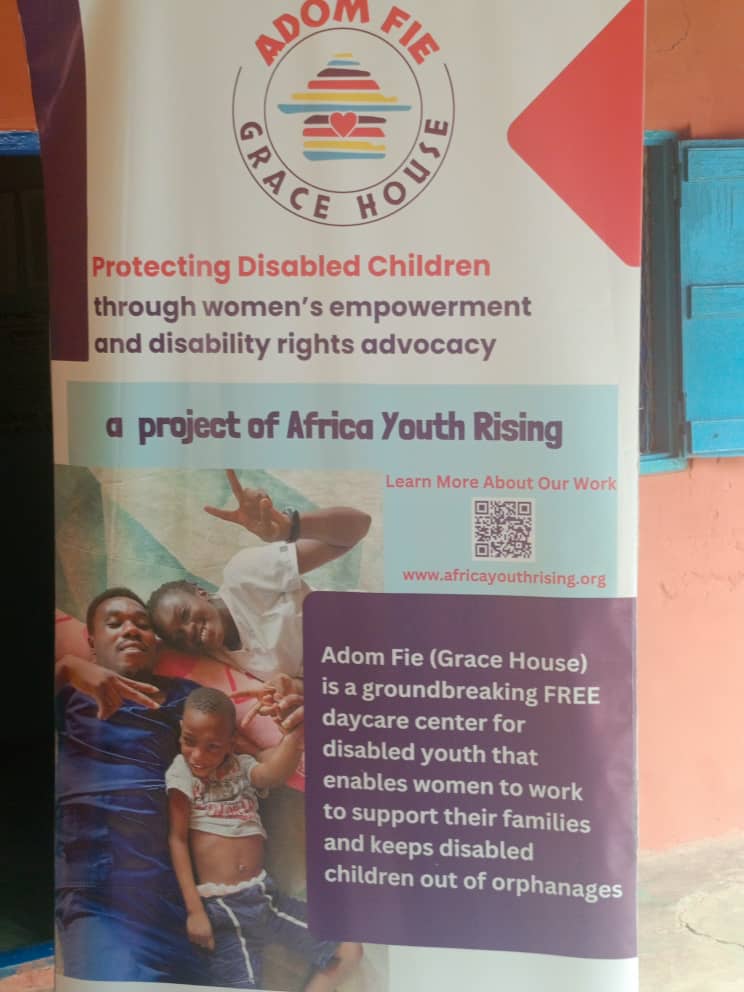
Parents who participated in an open day organised by Adom Fie (Grace House), a disability support centre at Obom near Dodowa, said the absence of accessible support systems was placing significant economic and social pressure on families.
They said many caregivers were unable to engage in income-generating activities because they had to provide constant care for their children, while the cost of specialised services remained beyond the reach of many households.
Chief Executive Officer of Adom Fie, Ms Mandie Case, said disability advocacy in Ghana needed to pay greater attention to children with cerebral palsy and other neurodevelopmental conditions.
She said national discussions on disability had largely focused on employment and social inclusion for adults, leaving the specific needs of children and their caregivers inadequately addressed.
“Much of the advocacy has been about jobs and opportunities for adults. But children with cerebral palsy are often left out. Their parents need respite, therapy, education, and affordable day-care services. These are not luxuries; they are essential,” she said.
Ms Case made the observation in an interview with the Ghana News Agency (GNA) during the centre’s open day, which was organised to showcase its activities and services.
She explained that Adom Fie provided a safe environment where children with disabilities could receive care and therapy while their parents attended to work, education and other responsibilities.
The centre operates a model that involves parents directly in its daily activities, with one parent serving on duty each day alongside caregivers and therapists.
Parents also make modest monthly contributions towards the upkeep of the facility to help sustain its services.
Ms Case said an annual investment of about GH¢10,000 could help the centre expand its operations and extend specialised care and support to more children.
She appealed to philanthropists, corporate organisations and individuals to contribute towards the centre’s work.
According to parents at the event, expanding such services would not only improve the wellbeing of children with cerebral palsy but also give caregivers an opportunity to rebuild their livelihoods.
They said mothers were particularly affected because the absence of affordable and safe day-care facilities often meant they had to abandon employment or education to provide full-time care.
The parents therefore called for increased investment in disability support programmes, affordable therapy and day-care facilities, as well as stronger public attention to the needs of children with cerebral palsy.
They said supporting children with neurodevelopmental conditions should also include supporting the families and caregivers whose livelihoods are directly affected by the demands of long-term care.






