
















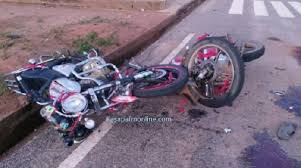
Motorcycle-related deaths continue to dominate road fatalities in the Upper East Region, even as overall crashes, injuries, and deaths recorded a significant decline in the first quarter of 2026.
According to a report by the National Road Safety Authority, 25 road crashes involving 42 vehicles were recorded between January and March 2026, down from 37 crashes involving 62 vehicles during the same period in 2025.
Despite the improvement, motorcycles remain the most dangerous mode of transport in the region, accounting for a staggering 86.36 per cent of all recorded deaths. Out of the 22 fatalities reported during the period, 19 were linked to motorcycle crashes, underscoring the vulnerability of riders and their passengers.
The report, released in Bolgatanga by the Authority’s Regional Public Relations Officer, John Quarshie, highlighted that non-compliance with road safety regulations continues to drive the high fatality rate among motorcyclists.
Key risk factors identified include failure to wear crash helmets, excessive speeding, disregard for traffic signals, and riding under the influence of alcohol or drugs.
While total deaths dropped by 26.67 per cent—from 30 in 2025 to 22 in 2026—and injuries saw a sharp decline of over 80 per cent, the persistent dominance of motorcycle fatalities remains a major concern for road safety authorities.
February recorded the highest number of deaths during the period, followed by March and January, indicating fluctuations in road safety conditions across the quarter.
The report also showed that males accounted for the majority of victims, representing 86 per cent of fatalities, with most victims being adults within the economically active age group.
Although pedestrian knockdowns reduced by half compared to last year, and motorcycle deaths themselves declined by 33.33 per cent, the data suggests that more targeted interventions are needed to address the risks associated with motorcycle use.
The NRSA says it will intensify collaboration with stakeholders to roll out focused safety campaigns and enforcement measures, particularly aimed at motorcyclists, to sustain the downward trend in crashes while tackling the disproportionate number of deaths linked to motorcycles.






