
















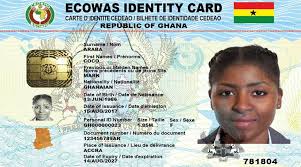
The Bank of Ghana (BoG) has taken a decisive step to enhance security in the financial sector by prohibiting the photocopying of Ghana Cards for banking transactions. Instead, banks must verify customer identities through biometric authentication, ensuring real-time verification with the National Identification Authority (NIA) database.
The directive, in line with the National Identity Register Regulations, 2012 (L.I. 2111), aims to eliminate outdated verification methods such as visual inspections and lookup lists, which leave room for fraud. Speaking at a stakeholder engagement in Accra, Deputy Head of Office under the Financial Integrity Office of BoG, Mr. Ashitei Trebi-Ollennu, emphasized that biometric verification is the only acceptable method for authenticating customer identities.
Why BoG is Moving Away from Photocopying
BoG’s new directive comes amid growing concerns about financial fraud and identity theft. Photocopies of identification documents can be easily manipulated, making them a weak point in security protocols. Biometric verification, on the other hand, provides real-time authentication, reduces impersonation risks, and aligns with global security standards.
The engagement, themed “Protect Every Transaction with Biometric Verification,” brought together major stakeholders, including BoG, the Ghana Association of Banks, the NIA, and representatives from Ghana’s 25 universal banks. Discussions focused on the role of biometric authentication in strengthening trust, reducing fraud, and streamlining banking operations.
Transitioning to a Secure, Biometric-Driven Banking System
James Cantamantu-Koomson, Executive Director of Identity Management Systems II (IMS II) Ltd, highlighted the urgency of adopting biometric verification. “Identity is at the center of our financial system, and the database created by the NIA is one of our most powerful national assets,” he stated.
The transition to biometric authentication not only enhances security but also improves efficiency in banking transactions. The National Identification Authority reiterated that the Ghana Card is the only legal form of identification for financial transactions, and banks must comply with the legal framework.
A Collaborative Effort to Strengthen Financial Security
Representatives from all universal banks provided feedback on improving information-sharing between financial institutions and regulatory bodies. Key figures in attendance included Mr. John Awuah, CEO of the Ghana Association of Banks, and senior officials from BoG, NIA, and cybersecurity departments.
By fully embracing biometric verification, Ghana’s banking sector is positioning itself as a leader in secure financial transactions. The shift represents a firm commitment to ensuring that every transaction is protected, reinforcing trust in the country’s financial ecosystem.






