
















Concerns are mounting over Ghana’s maternal healthcare system as more than 14,000 trained midwives remain unemployed despite rising maternal deaths and worsening shortages in rural communities.
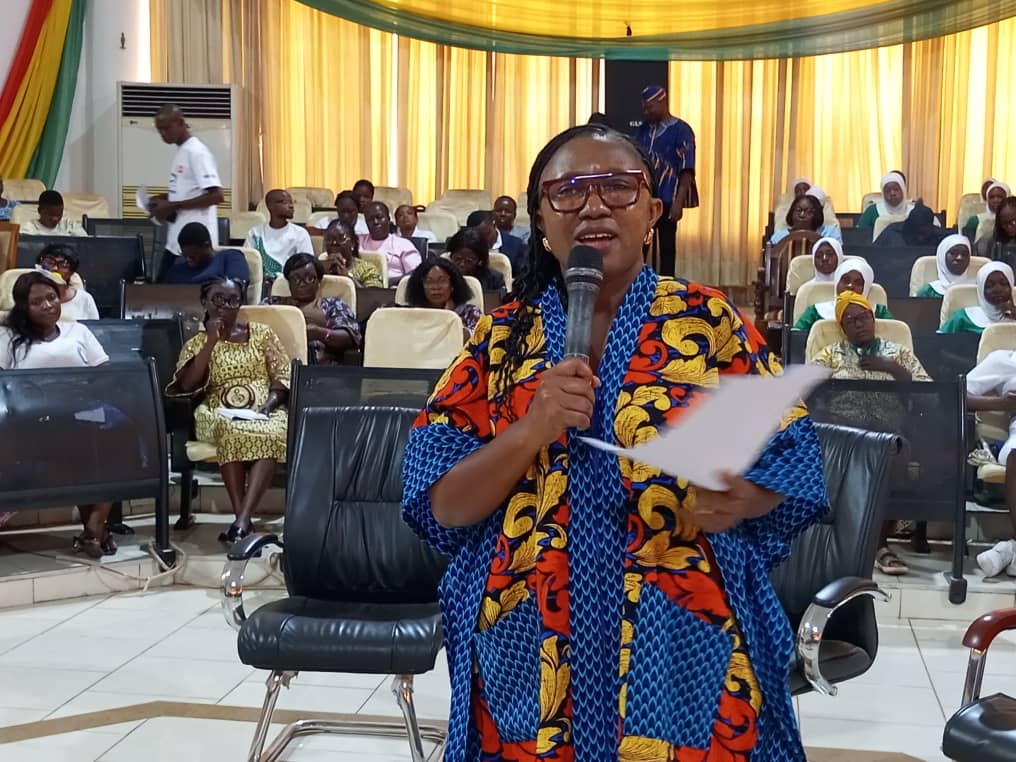
At a symposium in Tamale to mark the 135th National launch of the International Day of the Midwife, stakeholders urged government to urgently recruit and deploy more midwives to bridge critical gaps in maternal healthcare delivery.
President of the Ghana Registered Midwives Association, Netta Forson Ackon, called for stronger government investment in midwifery recruitment, training and welfare.
She stressed that midwives play a critical role in protecting both mothers and babies but continue to face poor conditions of service, heavy workloads and limited incentives, especially in rural communities.
She proposed a structured rotational posting system that would allow midwives to serve in deprived areas for a specific period before being reassigned to urban centres.
Leticia Asaba Atia also called for specialised training to equip midwives with advanced skills to manage life-threatening complications such as postpartum haemorrhage and pregnancy-induced hypertension.
According to Evelyn Amoako, Ghana currently has 40,700 midwives, representing 26.9 percent of the country’s professional nursing workforce, yet thousands remain without employment.
She revealed that 968 women died from maternal-related causes in 2025, while the institutional maternal mortality rate increased from 109.22 per 100,000 live births in 2023 to 110 per 100,000 in 2024.
She further disclosed that skilled delivery coverage dropped from 60.6 percent in 2023 to 55 percent in 2024, with rural communities suffering the greatest impact due to unequal distribution of healthcare workers.
Health officials also raised concerns over the growing migration of midwives abroad in search of better salaries and improved working conditions.
Representing the Ministry of Health, Estel Ruth Opoku said government was introducing new policies to strengthen training and improve professional support for midwives.
Participants called for urgent policy reforms and sustained investment to help Ghana meet its maternal health targets under the Sustainable Development Goals and reduce maternal deaths before 2030.






