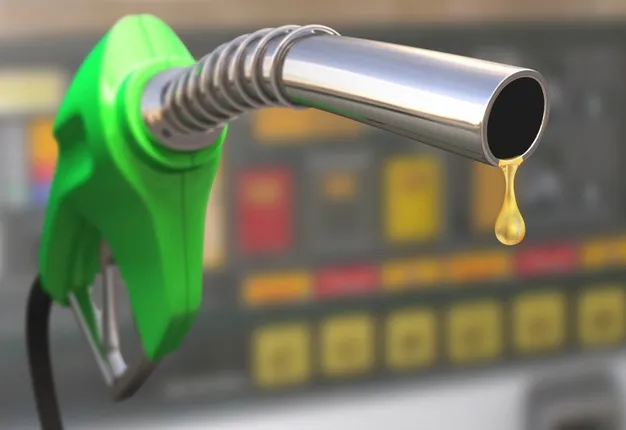
Calls for transparency in Ghana’s energy sector are growing louder as industry stakeholders push government to account for proceeds from the GH₵1-per-litre Energy Sector Shortfall and Debt Repayment Levy, introduced in July 2025.
The Ghana Revenue Authority (GRA) mandated Oil Marketing Companies (OMCs) to begin collecting the levy to raise revenue for fuel purchases, debt repayment, and other critical needs in the power and petroleum sub-sectors. However, four months on, energy sector players say there has been little information on how much has been collected and how the funds are being applied.
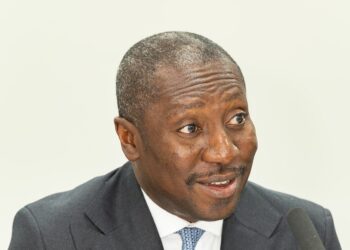
The Chamber of Petroleum Consumers (COPEC) is leading the charge for accountability. Its Executive Secretary, Duncan Amoah, has urged the government to provide a full breakdown of the levy’s performance in the upcoming 2026 Budget Statement, insisting that transparency is essential to maintaining public trust.
“The economy has adjusted to the levy, but it must not become another opaque revenue stream,” Mr. Amoah said. “We expect the Finance Minister to report on the collections and allocations, and also commit to funding key infrastructure such as the second gas processing plant to support energy security.”
Beyond accountability, experts say the levy presents an opportunity for government to fix long-standing inefficiencies in the sector — from weak financial management at state utilities to high system losses.
Benjamin Nsiah, Executive Director of the Center for Environmental Management and Sustainable Energy, said the energy sector still faces significant operational challenges despite improved revenue mobilization by the Electricity Company of Ghana (ECG).
“System losses remain high, and addressing them requires private sector participation and tighter financial discipline,” he noted. “If the government can ensure effective use of the levy and stabilize the cedi, we can sustain the current reduction in fuel prices.”
Meanwhile, global petroleum price declines and relative cedi stability have led to slightly lower fuel prices in the first pricing window of November — a welcome relief for consumers.
However, the upstream oil and gas sector remains under pressure, with dwindling output threatening revenue projections. Nsiah cautioned that without reforms to attract medium-sized investors and improve licensing conditions, Ghana risks missing its 2025–2030 revenue targets.
“We need to review our upstream regulatory framework to bring in more operators who can scale up production,” he stressed.
While consumers enjoy temporary relief at the pump, analysts say the broader challenge lies in ensuring that energy revenues — including the GH₵1 levy — are used transparently to strengthen Ghana’s energy infrastructure and long-term sustainability.