
















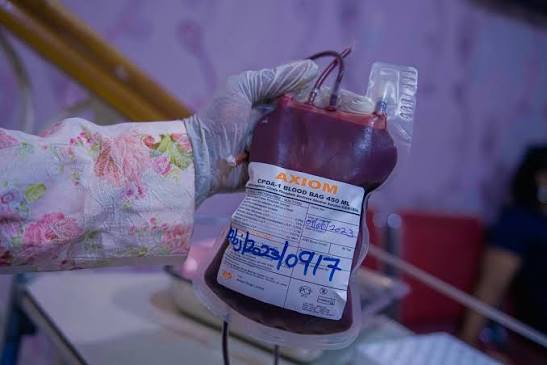
Health sector stakeholders have renewed calls for stronger collaboration and stricter compliance with blood safety regulations to improve the quality, safety, and reliability of blood transfusion services in Ghana.
The appeal was made at a stakeholder engagement dubbed “Road to Compliance,” organised by the Food and Drugs Authority (FDA) with support from the National Petroleum Authority (NPA), aimed at strengthening regulatory oversight and improving transfusion safety systems nationwide.
Representing the Director-General of the Ghana Health Service (GHS), Mr William Addo Mills-Pappoe said the Service remains committed to ongoing reforms to improve blood services, noting that Ghana has made significant progress in strengthening its transfusion systems.
The World Health Organization (WHO) also praised Ghana’s regulatory direction. Speaking on behalf of the WHO Country Representative, Dr Angela Ackon stressed the importance of a functional hemovigilance system to track, prevent, and respond to adverse transfusion reactions.
She noted that ensuring blood safety requires availability, accessibility, and strict quality control, adding that WHO will continue to support Ghana’s efforts with technical assistance.
Dr Jens Reinhardt of the BloodTrain Project at the Paul-Ehrlich-Institut highlighted improvements such as expanded blood collection centres, FDA-aligned standards, and early-stage hemovigilance systems. However, he pointed to gaps in donor infrastructure, documentation, cold chain management, and post-market surveillance.
He emphasised that compliance should be viewed not only as a regulatory requirement but as a critical public health responsibility that protects both donors and patients.
The National Blood Service (NBS) reiterated the importance of trust and coordination among stakeholders. Its Chief Executive Officer, Dr Shirley Owusu-Ofori, said sustainable blood safety depends on shared commitment and consistent adherence to standards across the health system.
She also called for greater public participation in voluntary blood donation, describing it as essential to national health security.
Participants at the engagement agreed that building a safer and more efficient blood system will require sustained investment, stronger enforcement of regulations, improved monitoring systems, and deeper collaboration among all actors in the health sector.
They stressed that safeguarding blood supplies remains a collective responsibility critical to saving lives across the country.






