Ghana has reaffirmed its position as a regional leader in girls’ education, joining forces with the African Union to launch Phase II of the Africa Educates Her (AEH) initiative, a campaign aimed at tackling the entrenched barriers preventing African girls from accessing and staying in school.
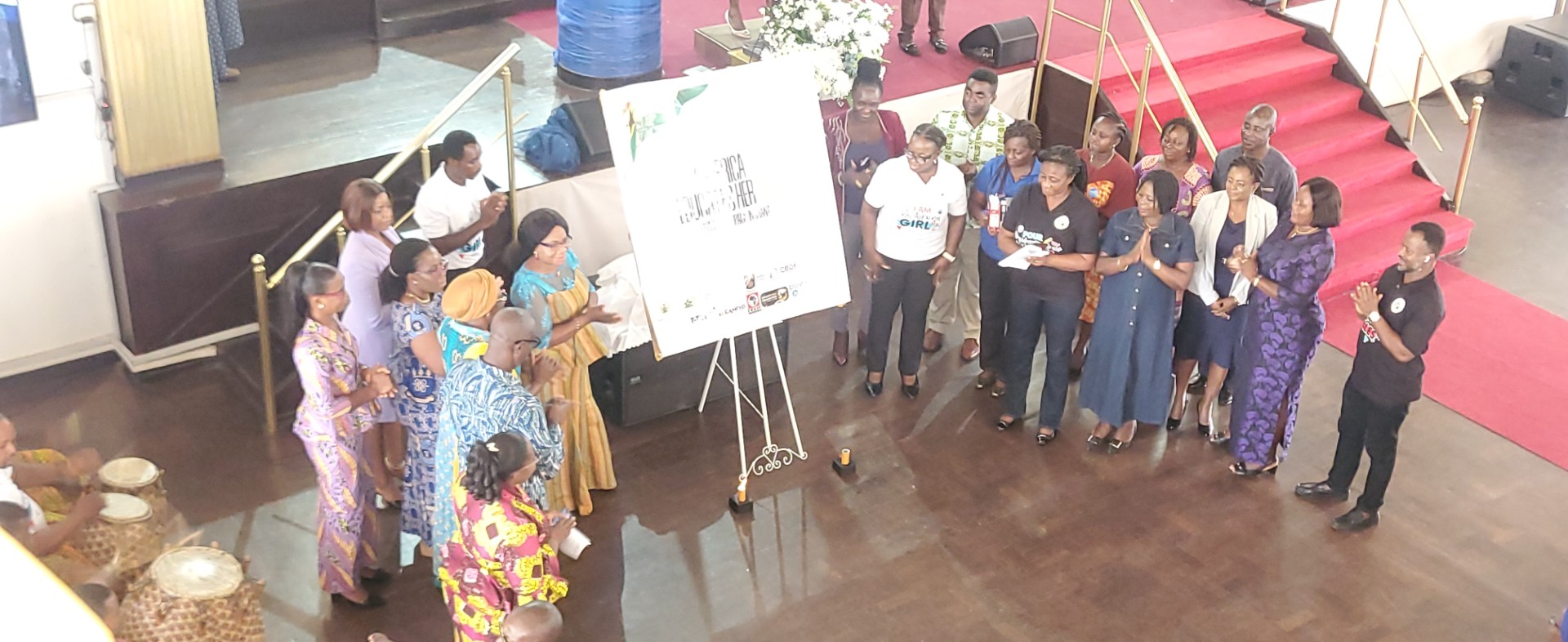
At the national launch of AEH Phase II, held under the theme “Unlocking Girls’ Potential: STEM and Beyond,” stakeholders from across the education, policy, and development sectors gathered to commit to bold, data-driven action. The initiative, led by the AU International Centre for Girls’ and Women’s Education in Africa, aims to address systemic challenges like gender norms, poverty, and climate-related crises that disproportionately affect girls’ education.
In a speech delivered on behalf of the Minister of Education, Mr. Haruna Iddrisu, the government emphasized its long-term strategy to support girls across all districts and circumstances, ensuring that every girl—no matter her geography or economic status—has the opportunity to learn, thrive, and contribute to national development.
“The AEH campaign should push us from dialogue to action. We must map and reach out-of-school girls, especially in border towns and conflict-prone regions,” said the Minister. He highlighted Ghana’s integration of mentorship and STEM programmes into all 261 districts as part of a broader push to remove gender disparities, particularly in science and technical fields.
Phase II (2023–2025) of the AEH campaign builds on the foundation laid in Phase I (2020–2023), which responded to the COVID-19 crisis that interrupted the education of millions of African girls. Phase I focused on curbing dropouts, child marriage, and teen pregnancy, while Phase II addresses more complex and persistent challenges—including emergencies and societal norms.
Ghana’s contributions to Phase I included gender-responsive policies during school reopenings, targeted back-to-school advocacy, and partnerships to provide essential learning resources. Despite these efforts, 1.3 million children remain out of school, with girls making up half that number—a statistic the government says demands urgent and continued intervention.
The campaign’s six pillars—policy, advocacy, research, communication, partnerships, and capacity building—are designed to mobilize governments and partners to tackle the problem holistically.
Other speakers at the event echoed Ghana’s commitment.
Professor Nana Ama Brown Klutse, Acting CEO of the Environmental Protection Authority (EPA), emphasized the need for mentorship and talent discovery, stating, “Educating girls means equipping our nation with the tools to solve future challenges. At the EPA, gender equity is a core value.”
Professor Nana Aba Appiah Amfo, Vice-Chancellor of the University of Ghana, called attention to harmful cultural practices like bullying girls during menstruation and underscored the role of the Centre for Gender Studies and Advocacy in pushing for institutional and societal reform.
The event marked a united front between Ghanaian institutions, civil society, and the African Union in what is shaping up to be one of the continent’s most ambitious educational equity campaigns.