
















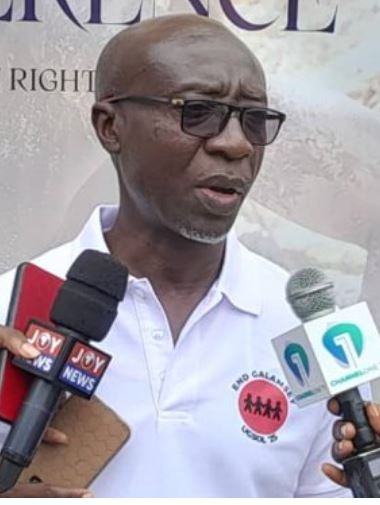
Amid growing public anxiety following the suspension of Chief Justice Gertrude Araba Esaaba Sackey Torkornoo, a constitutional law expert has moved to calm fears about the stability and continuity of Ghana’s judicial system.
Associate Professor of Law at the University of Ghana, Kwadwo Appiagyei-Atua, says the nation’s legal framework is robust enough to maintain the smooth delivery of justice, despite the unprecedented shake-up at the highest level of the judiciary.
Speaking on Eyewitness News, Prof. Appiagyei-Atua stressed that the Constitution provides a clear line of succession and interim leadership for the judiciary, ensuring there is no vacuum in judicial administration.
“Justice Delivery Will Not Grind to a Halt”
“I’m not sure that justice delivery will be affected so much,” he noted. “The Constitution makes provision for someone to step in when such situations arise. In this case, the most senior Justice of the Supreme Court has taken over in an acting capacity.”
Justice Paul Baffoe-Bonnie, by virtue of Article 144(6) of the 1992 Constitution, is currently serving as Acting Chief Justice following the President’s decision to suspend Justice Torkornoo after a prima facie case was established from three separate removal petitions.
Prof. Appiagyei-Atua also clarified that any ongoing cases involving the suspended Chief Justice would now be managed under the direction of the Acting CJ, with minimal disruption to judicial processes.
Calm Amid the Storm
The suspension, carried out by President John Dramani Mahama on April 22, 2025, has triggered intense public discourse on judicial independence, constitutional safeguards, and the transparency of removal proceedings.
Yet, according to Prof. Appiagyei-Atua, the rule of law remains intact: “There is no cause for alarm. The judiciary is structured to withstand such shocks without compromising its work.”
As investigations into the petitions proceed behind closed doors, the professor’s reassurance offers a measure of calm in a politically charged moment for Ghana’s democratic institutions.






