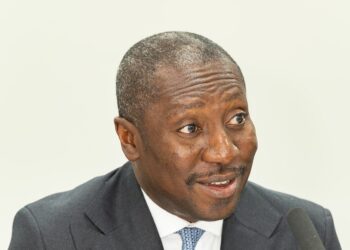
The New Patriotic Party (NPP) has intensified its criticism of the government’s handling of diplomatic and service passports, warning that alleged irregularities in their issuance could create loopholes for criminal exploitation and expose Ghana’s border security to risks.
The party’s Director of Communications, Dennis Miracles Aboagye, has questioned the circumstances under which some individuals acquire diplomatic and service passports, arguing that the privileges attached to the documents could be exploited to bypass normal airport and immigration procedures.
Speaking on Eyewitness News on Friday, October 30, Mr Aboagye expressed concern that the special treatment accorded to holders of such passports could make them attractive to individuals seeking to evade scrutiny while travelling internationally.
He cited privileges at international airports, including access to special immigration arrangements and separate boarding queues, as reasons the alleged abuse of the documents should be treated as a national security concern.
“If you are holding a diplomatic passport or a service passport and you get to Dakar International Airport, you’ll be given certain certificates that allow you smooth passage at the airport,” he said.
He questioned whether the alleged irregularities could explain how some Ghanaians arrested abroad over narcotics-related offences might have travelled without attracting sufficient attention from airport authorities.
“Wouldn’t you worry about how a lot of people these days are able to go to our airports without being found with some of these controversial passports?” he asked.
However, Mr Aboagye did not provide evidence linking holders of the allegedly irregularly issued passports to the reported narcotics trafficking cases.
His remarks form part of the NPP’s growing campaign for accountability over the issuance of diplomatic and service passports under the current administration.
The party has petitioned the United States Government to suspend diplomatic courtesies for Ghanaian holders of diplomatic and service passports it alleges were improperly issued.
At the centre of the petition are approval letters issued by the Ministry of Foreign Affairs in August 2026. The NPP claims that six individuals named in the letters do not occupy the official positions attributed to them, while two of the positions cited allegedly do not exist.
Mr Aboagye further alleged that some individuals had paid between $10,000 and $30,000 to secure diplomatic passports, raising questions about the integrity of the issuance process and the possible existence of a market for the travel documents.
He challenged the government to explain the criteria used in approving diplomatic and service passports and identify the individuals who currently hold them.
The NPP is also demanding the publication of comprehensive details of all diplomatic and service passports issued since January 2025.
The proposed disclosure, according to the party, should include the names of beneficiaries, their official positions and the specific grounds on which they qualified for the documents.
The controversy has introduced a broader national security dimension to the debate over diplomatic passport administration, with the opposition insisting that the government must demonstrate transparency and ensure that privileges intended for legitimate official duties are not abused.
The government and the Ministry of Foreign Affairs are yet to respond to the specific allegations presented by the NPP in the comments cited.