Executive Secretary of the Chamber of Petroleum Consumers (COPEC), Duncan Amoah, has called for the establishment of binding national development targets to guide successive governments, warning that Ghana risks losing development gains whenever political power changes hands.
He argued that the country’s dependence on political party manifestos, rather than a unified long-term development framework, has created room for successive administrations to abandon or alter projects and priorities initiated by their predecessors.
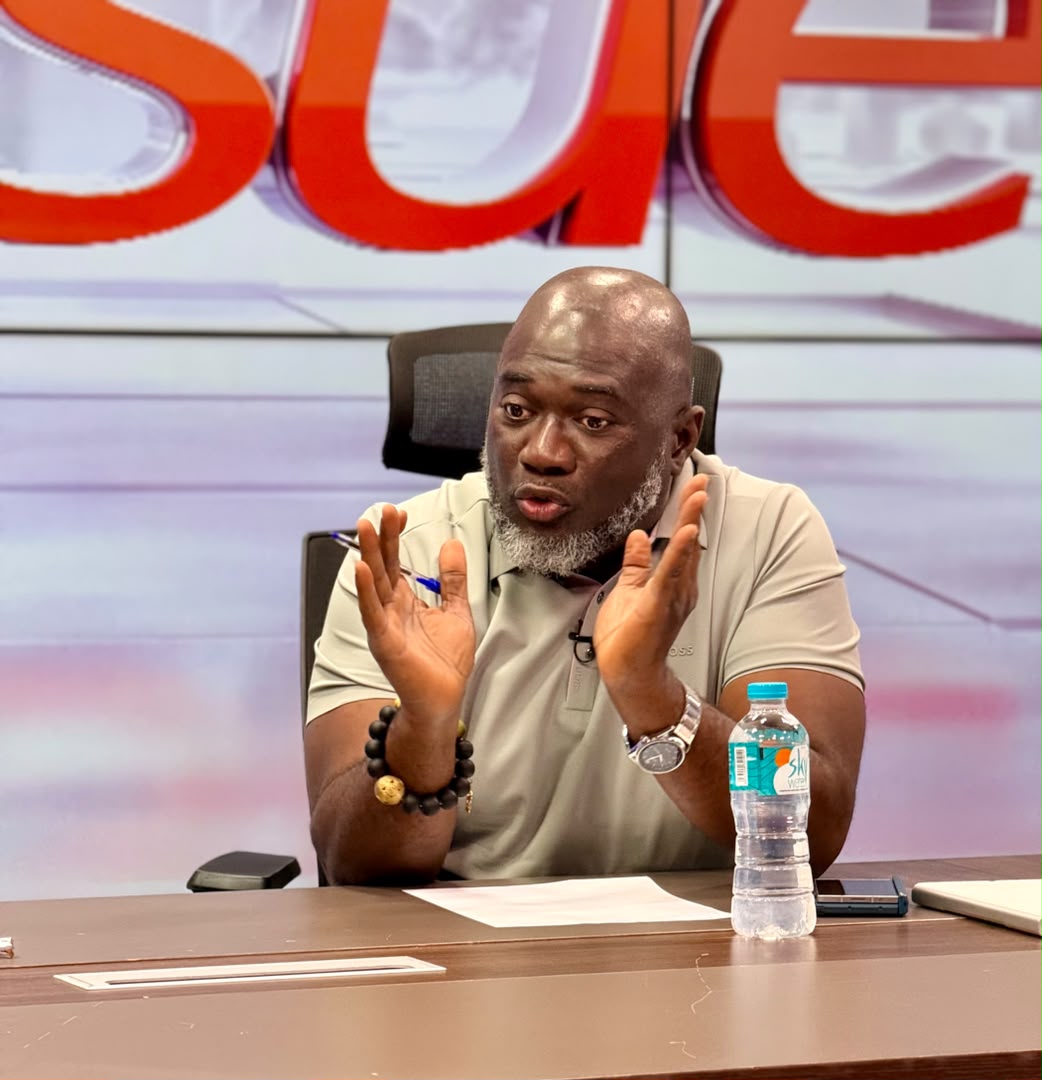
Speaking on Channel One TV’s *The Big Issue* on Saturday, October 31, Mr Amoah said Ghana needed a national development agenda that would remain relevant irrespective of which political party wins an election.
He observed that political parties currently formulate their development promises through manifesto committees, with each group determining what it considers necessary for the country’s progress without necessarily working within an agreed national framework.
“We do not have a national development agenda or plan as a country. And so the parties continue to deliver manifestos. They put a few people in the room, call them the manifesto committee, then they write what they think Ghanaians want,” he said.
Mr Amoah proposed that national development priorities should be translated into measurable targets that every incoming government would be expected to pursue during its four-year mandate.
Under his proposal, successive governments could be required to meet specific targets in critical sectors such as education, healthcare and road infrastructure.
For instance, he suggested establishing clear benchmarks for the number of schools, healthcare facilities and roads to be constructed within every presidential term.
He explained that such an arrangement would provide a common development direction for the country while allowing political administrations the flexibility to introduce their own policies in other areas.
According to him, a national development framework would also make it easier for citizens to assess governments based on measurable commitments rather than political promises that change with every election cycle.
Mr Amoah maintained that Ghana needed to move beyond the practice where every incoming administration sets its own development priorities, potentially disrupting ongoing programmes and undermining long-term planning.
His proposal comes amid recurring national debates over policy continuity, abandoned projects and the impact of political transitions on infrastructure development and public service delivery.
He believes that a clearly defined national development agenda, supported by measurable targets, would help ensure that the country’s development priorities are sustained beyond individual governments and political parties.