
















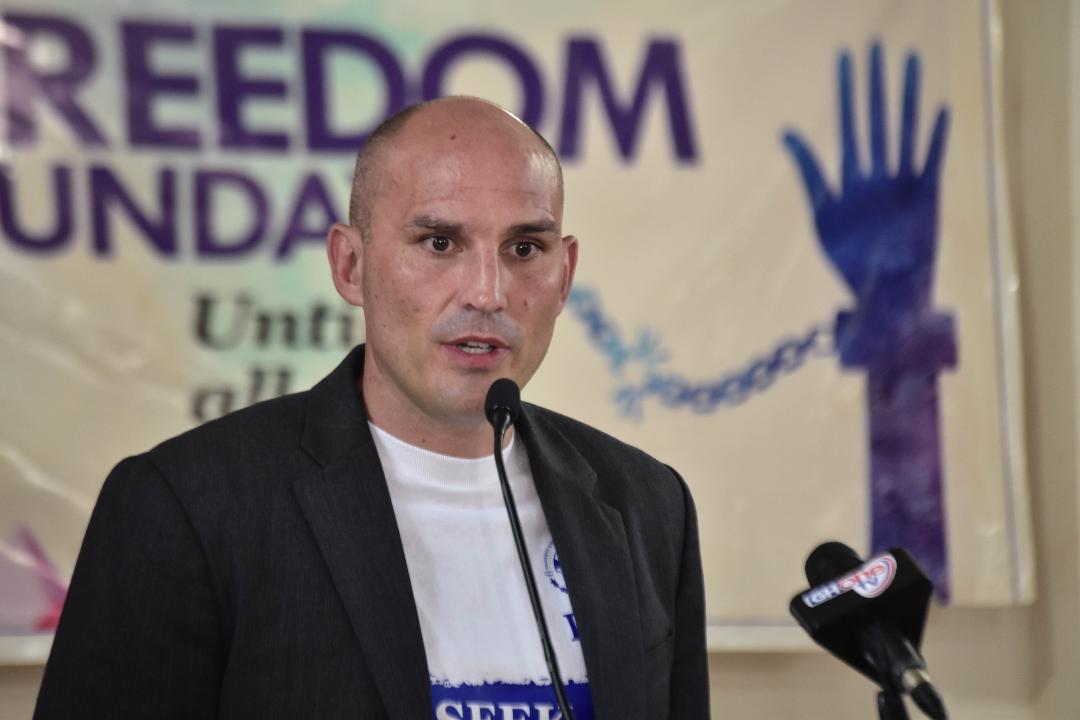
In a renewed push to combat human trafficking across Ghana’s border towns, the Anti-Human Smuggling and Trafficking in Persons (AHSTIP) Unit of the Ghana Immigration Service (GIS) at Aflao has partnered with the Handmaids of the Divine Redeemers Sisters Foundation (HDRSF) and the International Centre for Safe Migration (ICSM) to strengthen community education and response.
The collaborative effort was showcased during a major school outreach programme at Three-Town Senior High School in Denu, as part of the “Amewuga” campaign—a grassroots advocacy initiative aimed at protecting migrants’ rights and building community resilience against exploitation and modern-day slavery.
With an estimated 2,300 students, teachers, and staff in attendance, the event featured a dramatic presentation by the school’s drama club to educate attendees on the evolving dynamics of human trafficking, including the growing threat of cyber trafficking.
Sister Regina Ignatia Aflah, Assistant Superior General of HDRSF, emphasized the Foundation’s commitment to protecting women and children, pledging continued collaboration with ICSM and GIS to enhance rescue operations and victim care in vulnerable communities.
“We are here to build awareness and resilience, especially among girls and young people who are often the targets of traffickers,” she said.
Deputy Superintendent of Immigration Justice Kudzo Normeshie, head of the AHSTIP Unit, reiterated the Service’s resolve to address gender-based vulnerabilities through inclusive migration management strategies, stating, “The fight against trafficking must be community-led and gender-responsive.”
Assistant Commissioner of Immigration William Bannerman-Williams Hans, Deputy Sector Commander of the Aflao GIS, commended the partners for their consistent support and pledged the Service’s openness to future collaborations that strengthen its anti-trafficking efforts.
The “Amewuga” campaign, rooted in the Ewe cultural belief that human life is more valuable than money, continues to resonate with border communities, particularly commercial motor riders and transport operators who are critical allies in identifying and reporting trafficking incidents.
The initiative aligns with national efforts to integrate migration risk awareness into local security and development strategies, particularly in high-risk border zones like Aflao.






