
















Economic analysts are urging the government to move swiftly in providing necessary assurances to the International Monetary Fund (IMF) to ensure the uninterrupted continuation of Ghana’s ongoing bailout program.
This follows the announcement that Ghana has reached a staff-level agreement with the IMF after a comprehensive review of the country’s performance on key economic reforms and policy targets. The agreement, if approved by the IMF Executive Board, will pave the way for the disbursement of a $370 million tranche.
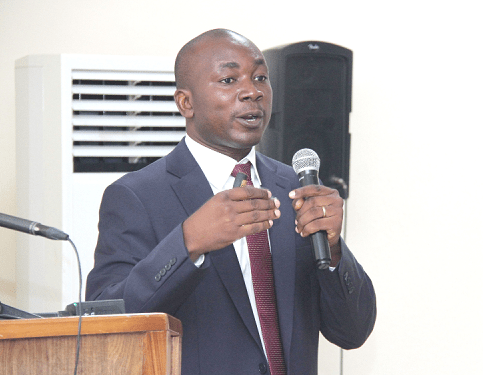
However, Economist Professor Godfred Bokpin has warned that while progress has been made, more work needs to be done to secure final approval. Speaking to Citi Business News, Prof. Bokpin emphasized the importance of sustaining momentum and addressing critical reservations outlined in the IMF staff report.
“Government has demonstrated good faith, and that has helped in shaping a positive outlook from the Fund,” he noted. “But if you go through the report carefully, there are clear indications that further action is needed before the Executive Board makes its final decision.”
The IMF, in its recent review, pointed to a decline in program performance in late 2024. This was attributed largely to fiscal slippages in the lead-up to the general elections, including missed inflation targets, rising arrears, and delays in structural reforms.
In response, the new administration has introduced a series of corrective policy measures, notably a tighter 2025 national budget and enhanced reforms in public financial management. These steps are aimed at realigning the country with the bailout program’s objectives and regaining investor confidence.
The IMF team also held discussions with authorities on tackling long-standing challenges such as inefficiencies in procurement, fiscal transparency, and the delivery of social protection programs for vulnerable populations impacted by inflation and austerity.
To reinforce monetary discipline, the Bank of Ghana has raised its policy rate, a move expected to help curb inflation and stabilize macroeconomic indicators.
On the structural front, the government has renewed its commitment to transparency and governance reforms, particularly in the oversight and management of State-Owned Enterprises (SOEs) in critical sectors such as gold, cocoa, and energy.
Analysts believe that with continued discipline and clear communication of policy intentions, Ghana can stay on track to meet its obligations under the IMF program and unlock further tranches of support.






