
















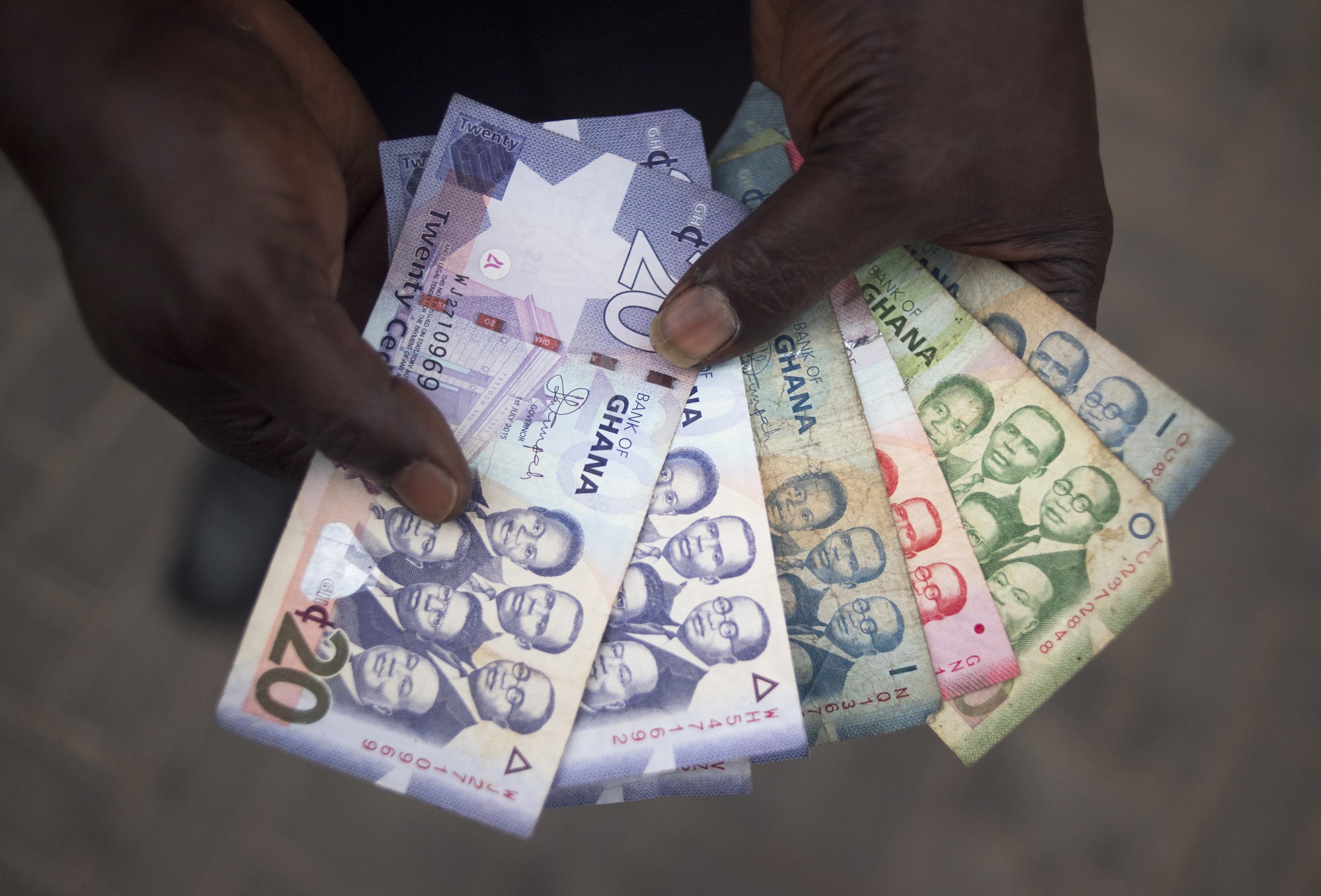
The Governor of the Bank of Ghana (BoG), Dr. Johnson Asiamah, has cautioned that while Treasury bill (T-bill) rates are on a downward trend—a positive sign for the economy—it could also create pressure on the cedi if not carefully managed.
Speaking at the 2025 National Economic Dialogue on March 4, Dr. Asiamah emphasized the need for close coordination between the central bank and fiscal authorities to ensure macroeconomic stability.
“Currently, T-bill rates are coming down, and it is good to see that. However, there is an emerging risk that if we are not careful, we will see pressure on the cedi going up as a result,” he stated.
To mitigate this risk, the BoG has had to adjust rates on its own bills to maintain economic balance.
“If you look at our Bank of Ghana bills, you will see that the rates have had to go up. That’s the way macroeconomic management works, and there has to be a balance,” he explained.
Dr. Asiamah assured that he would maintain regular communication with the Minister of Finance to ensure a coordinated approach to managing interest rates, exchange rate stability, and broader economic policy.
“I will be speaking with the Minister of Finance regularly, and we will try to achieve that balance going forward. We will be transparent,” he said.
Beyond interest rates and currency stability, the BoG Governor also addressed financial sector reforms, highlighting that efforts are underway to strengthen the banking sector under the ongoing Fund Programme. However, he noted that high levels of non-performing loans (NPLs) remain a significant challenge.
Dr. Asiamah reiterated the central bank’s commitment to transparency and engagement with key stakeholders, including the private sector and Parliament. He acknowledged the private sector’s call for biannual meetings with the BoG and expressed willingness to hold town hall sessions to foster better collaboration and communication.
His remarks underscore the BoG’s strategy to balance economic growth, financial sector stability, and investor confidence while ensuring that monetary policies remain effective in supporting Ghana’s economic recovery.






