
















Communities along Ghana’s northern border with Burkina Faso are being empowered with new tools and knowledge to resist extremist influences, as stakeholders intensify efforts to safeguard vulnerable populations from the growing threat of violent extremism in the Sahel region.
The initiative, implemented by STAR-Ghana Foundation in partnership with the Social Initiative for Literacy and Development Programme (SILDEP), is focusing on strengthening community resilience through education, economic empowerment, and social inclusion.
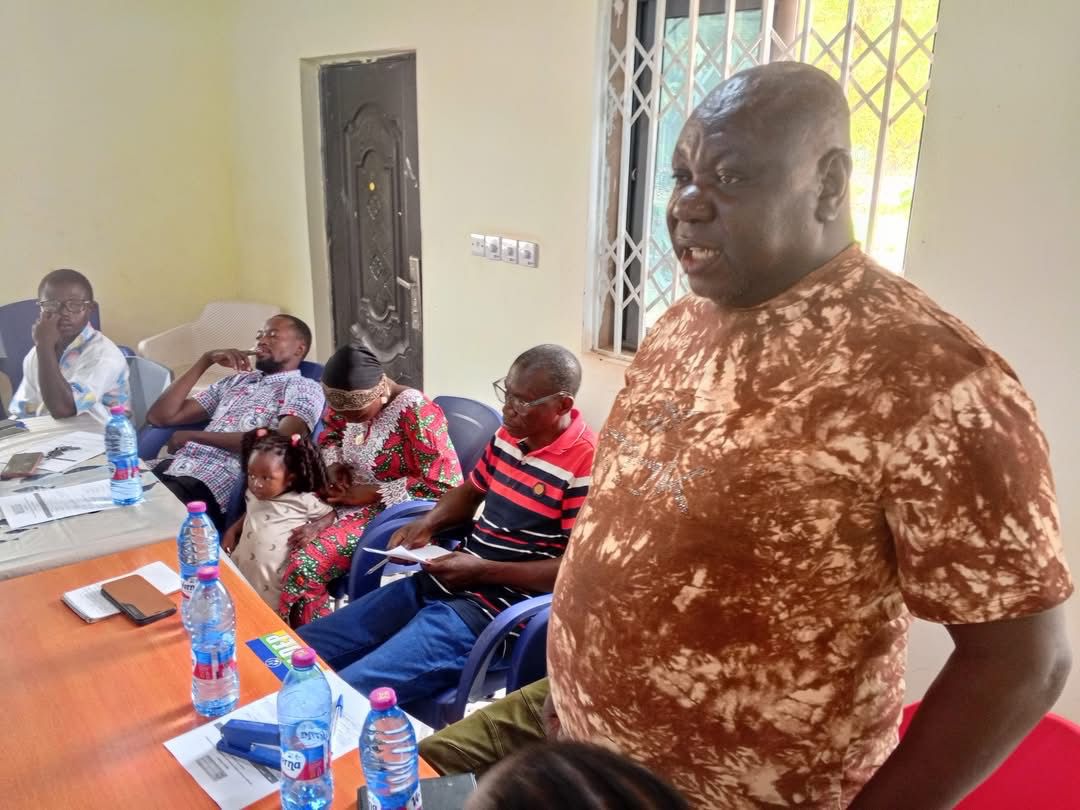
The programme brought together youth leaders, women’s groups, community representatives, and other stakeholders from border communities in the Sissala East Municipality and Sissala West District to assess progress and deepen local participation in peacebuilding efforts.
Speaking at a stakeholder engagement in Tumu, Madam Khadija Abdul-Samed, Project Officer for the Building Resilience Against Violent Extremism (BRAVE) Project, said the intervention seeks to address the root causes that often make communities vulnerable to recruitment by extremist groups.
According to her, communities along the Ghana-Burkina Faso border continue to face socio-economic challenges, including unemployment, exclusion, inadequate social services, and limited access to information. Such conditions, she noted, can create opportunities for extremist groups to exploit vulnerable populations.
She explained that the BRAVE Project is being implemented in ten communities across the Upper East and Upper West regions, where concerns over regional insecurity have increased due to extremist activities in neighbouring countries.
Beyond security awareness, the project is supporting livelihood opportunities aimed at strengthening economic resilience among community members, including refugees and Fulbe populations. The goal is to reduce economic vulnerabilities that could expose individuals to manipulation or recruitment.
A key component of the initiative is digital literacy education, which equips participants with skills to identify misinformation, disinformation, online radicalisation tactics, and other harmful digital content. Community members are also being trained in fact-checking and responsible use of information to support informed decision-making.
The project further promotes peaceful coexistence through cultural exchanges, sports activities, peer-learning sessions, and dialogue platforms that encourage interaction among diverse ethnic and social groups.
Madam Abdul-Samed noted that local disputes involving access to water resources, land ownership, and community relations often contribute to tensions. To address this, community peace structures have been established to mediate conflicts and foster dialogue before disagreements escalate.
She expressed confidence that the initiative would improve social inclusion by ensuring that marginalised groups, particularly refugees and Fulbe communities, are actively involved in local decision-making processes.
Mr. Moses Dramani Luri, Chief Executive Officer of SILDEP, underscored the importance of schools and educational institutions in preventing violent extremism. He said the project has engaged both in-school and out-of-school youth through digital literacy programmes designed to build critical thinking and resilience against extremist narratives.
He explained that the latest engagement brought together community leaders and facilitators of digital literacy clubs to evaluate progress achieved over the past year and identify areas for further intervention.
Communities participating in the project include Fielmuo, Gwollu, and Kupulima in the Sissala West District, as well as Katinia and Kasampouri in the Sissala East Municipality.
The BRAVE Project forms part of broader efforts to promote peace, social cohesion, and community-led security solutions in Ghana’s border regions, helping communities become active partners in preventing violent extremism and preserving stability.






