
















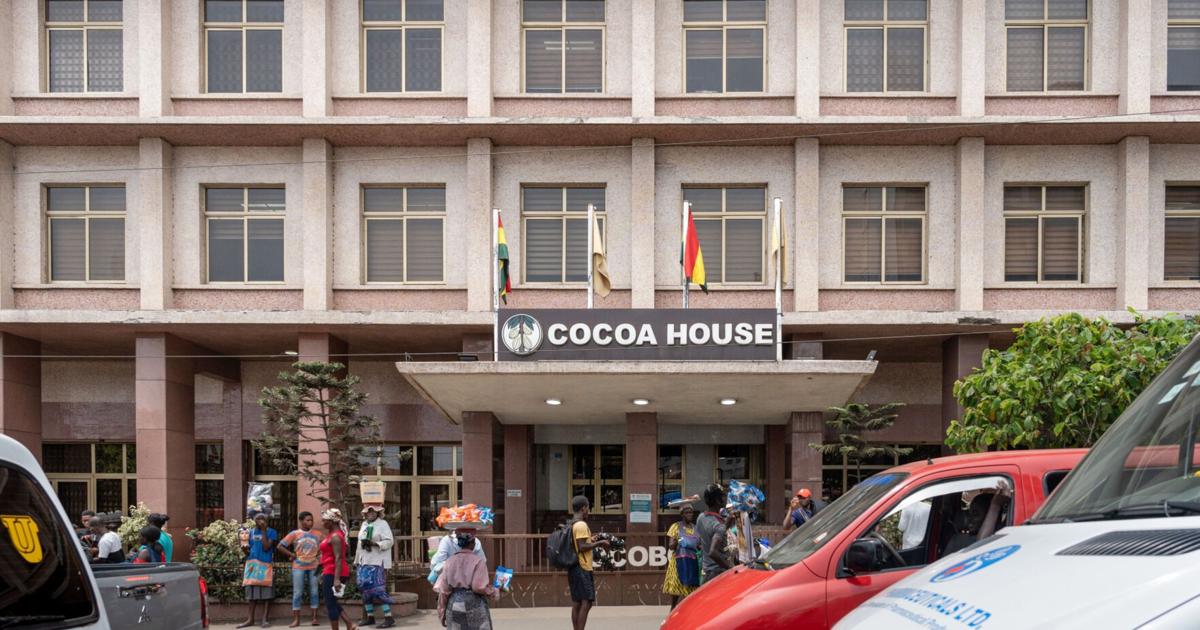
The Ghana Cocoa Board (COCOBOD) has raised GH¢3.39 billion through the first tranche of a Commercial Paper (CP) programme being undertaken by its wholly owned special-purpose vehicle, Cocoa Capital PLC.
The amount, raised last week, represents about 85% of the GH¢4 billion target set for the first tranche of the programme, according to persons familiar with the transaction.
Investors who participated in the offer are expected to earn an interest rate of 11%, with the Commercial Paper carrying a tenor of 266 days.
The latest fundraising forms part of COCOBOD’s broader plan to mobilise GH¢16.3 billion from the domestic capital market to finance cocoa purchases and restructure the financial obligations of the cocoa sector.
GH¢16.3bn financing plan
Under the Domestic Cocoa Notes Programme, Cocoa Capital PLC intends to raise GH¢14 billion through Commercial Papers to provide short-term liquidity for cocoa purchases during the 2026/27 crop season.
A further GH¢2.3 billion is expected to be mobilised through medium- to long-term bonds to refinance portions of COCOBOD’s legacy debt.
The GH¢14 billion Commercial Paper component is structured in three tranches, with an initial target of GH¢4 billion, a second tranche of GH¢4 billion and a final tranche of GH¢6 billion.
However, the first offer generated GH¢3.39 billion, leaving a GH¢610 million gap against the initial target.
It remains unclear whether COCOBOD and Cocoa Capital PLC will seek to bridge the shortfall through additional subscriptions or alternative funding arrangements.
Cocoa purchases at centre of fundraising
The fundraising is expected to provide COCOBOD with additional liquidity to meet its cocoa purchasing obligations while reducing reliance on traditional sources of short-term financing.
The programme also forms part of wider reforms aimed at changing the way the cocoa sector is financed and addressing the financial pressures accumulated by the state-owned cocoa regulator.
Under the financing structure, repayment of the funds raised will be supported by receivables from selected executed cocoa forward sales contracts assigned to Cocoa Capital PLC.
Proceeds from those contracts will be channelled through designated ring-fenced accounts with appointed banks before being distributed according to an agreed payment waterfall.
The structure is intended to give investors greater assurance over the source and management of repayment funds.
Part of funds to address legacy debt
While the bulk of the Commercial Paper proceeds will support cocoa purchases and related short-term liquidity needs, approximately 14% of the funds raised will also be used to finance COCOBOD’s legacy obligations.
The broader GH¢16.3 billion programme therefore combines immediate financing needs with efforts to restructure existing debt and improve the financial sustainability of the cocoa sector.
The programme is being arranged by Absa Bank Ghana Ltd, CalBank PLC, Fincap Securities Ltd, GCB Bank PLC, One Africa Securities Ltd and Stanbic Bank Ghana Ltd.
Cocoa Capital leads new funding model
Cocoa Capital PLC was incorporated on August 7, 2026, under the Companies Act, 2019, with an initial paid-up capital of GH¢5 million.
The company is wholly owned by COCOBOD and was established specifically to mobilise funds and channel the proceeds into approved cocoa-sector financing and refinancing activities.
Its creation gives COCOBOD a dedicated vehicle through which it can access the domestic debt capital market without relying solely on its traditional financing arrangements.
The Securities and Exchange Commission (SEC) has approved the programme, paving the way for the phased issuance of the Commercial Papers and bonds.
COCOBOD has described the initiative as a major component of the ongoing restructuring of the cocoa industry, saying the new financing model is intended to promote greater financial discipline, improve liquidity and create a more sustainable cocoa value chain.
The successful mobilisation of GH¢3.39 billion in the first tranche marks the initial test of investor appetite for COCOBOD’s new domestic financing strategy, with subsequent tranches expected to depend on funding requirements, market conditions and the terms of the programme.






