
















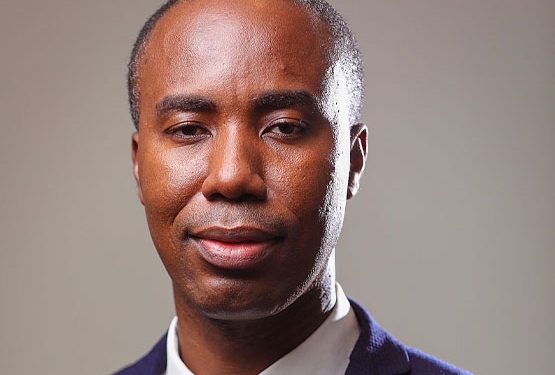
Deputy Attorney-General Dr Justice Srem-Sai has described the criminal case involving former National Signals Bureau (NSB) Director-General Kwabena Adu-Boahene as straightforward, saying the prosecution is centred on the alleged diversion of public funds for private benefit.
Speaking on JoyNews on Sunday, July 26, 2026, Dr Srem-Sai accused some actors of deliberately creating the impression that the case was unusually complicated.
He said the prosecution’s case is that approximately GH¢49 million allocated for the procurement of cyber defence software was transferred from a government account into a private account under the stated purpose of acquiring security equipment for the state.
According to him, the prosecution intends to present evidence showing that the money was instead used to acquire private assets, including houses and high-end vehicles.
“Our case is simple. You cannot do this with public money,” he said.
Mr Adu-Boahene, his wife Angela Adjei Boateng, Mildred Donkor and Advantage Solutions Limited are facing 11 charges, including stealing, money laundering, defrauding by false pretences and wilfully causing financial loss to the state.
The charges, filed in April 2025, relate to the alleged diversion of funds intended for national security procurement. The accused persons have denied the allegations.
Dr Srem-Sai said the prosecution’s evidence would focus on the movement of the funds from a public account to a private account and how the money was subsequently allegedly spent.
He also disclosed that one of the initial explanations offered by the defence was that the funds constituted repayment of loans allegedly advanced by Mr Adu-Boahene to a public institution.
“They first started by saying that it was a loan,” he said.
The Deputy Attorney-General maintained that the prosecution would seek to establish that the funds were not used for their intended national security purpose.
The trial is continuing at the High Court, with the prosecution seeking to prove the charges against the accused persons.
They remain presumed innocent until proven guilty by the court.






