Agriculture stakeholders have urged Ghanaian farmers to move away from producing first and searching for buyers later, stressing the need to use digital technology to secure markets, improve incomes and compete effectively in the global food trade.
They said access to reliable market information, digital platforms and modern supply-chain systems could help farmers reduce post-harvest losses and connect directly with buyers both locally and internationally.
The call was made at the Nkabom Seminar Series, organised by the Mastercard Foundation in partnership with the University of Ghana and McGill University under the Nkabom Collaborative initiative.
The seminar, held at the AH Hotel at East Legon, focused on the theme: “Digital Market Access and Export-Ready Agribusiness.”
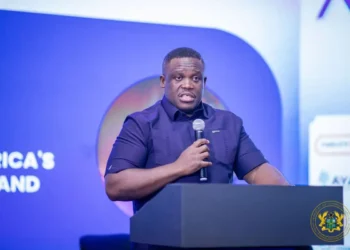
The Upper West Regional Minister, Mr Charles Lwanga Puozuing, said Ghana’s agricultural transformation would remain incomplete if farmers continued to struggle to find profitable markets for their produce.
He noted that farmers could produce sufficient quantities of food but still earn low incomes because of inadequate storage facilities, weak market linkages and limited access to timely market information.
According to him, digital trading platforms, aggregation systems and real-time market information could change the situation by connecting farmers, particularly those in remote communities, with buyers in urban centres and overseas markets.
He cited maize farmers in northern Ghana who often record bumper harvests but are compelled to sell at low prices because they lack adequate storage facilities and ready markets.
Mr Puozuing therefore called for increased investment in digital systems alongside transportation, storage and value-addition infrastructure to make Ghanaian agricultural products more competitive on the international market.
A broadcast journalist and farmer, Mr Kojo Akoto Boateng, said technology was increasingly becoming indispensable to modern farming.
Drawing from his own experience, he said digital tools had enabled him to coordinate farming activities across different parts of the country more efficiently.
He encouraged young people to consider agriculture as a viable business opportunity and use technology, innovation and strategic marketing to build profitable enterprises.
The Founder and Chief Executive Officer of The Ghanaian Farmer Company, Ms Enyonam Manye, stressed that farmers needed to identify their markets before planting.
She said treating agriculture as a business required farmers to understand what consumers wanted, the quality standards required and the volumes that buyers could absorb.
“Farmers should secure markets before production rather than looking for buyers after harvesting,” she advised.
Ms Manye also cautioned farmers against relying primarily on social media for technical agricultural advice, urging them to seek guidance from qualified agronomists.
She explained that hotels, supermarkets and international buyers were increasingly demanding detailed information about the origin and production of food products.
Such requirements, she said, included production methods, water sources, pest-control practices and evidence of professional supervision.
For agribusiness entrepreneur Mr Stephen Nii Oblitey Ashong, popularly known as Farmer Nii, building consumer confidence was equally important.
He said trust and a strong personal brand had helped him attract customers and expand his agribusiness.
He noted that social media platforms such as TikTok and Instagram had created relatively inexpensive avenues for farmers and agribusinesses to showcase their products, educate consumers and reach new markets.
The discussions highlighted the need for Ghana to strengthen the connection between technology, production and markets if the country is to reduce food losses and increase the value of agriculture.
Participants called for stronger collaboration among government, universities, development partners and private-sector actors, alongside improved transport and storage infrastructure.
They said a coordinated approach would help create an agricultural sector in which farmers have access not only to technology and production inputs but also to reliable markets and the standards required to export competitively.