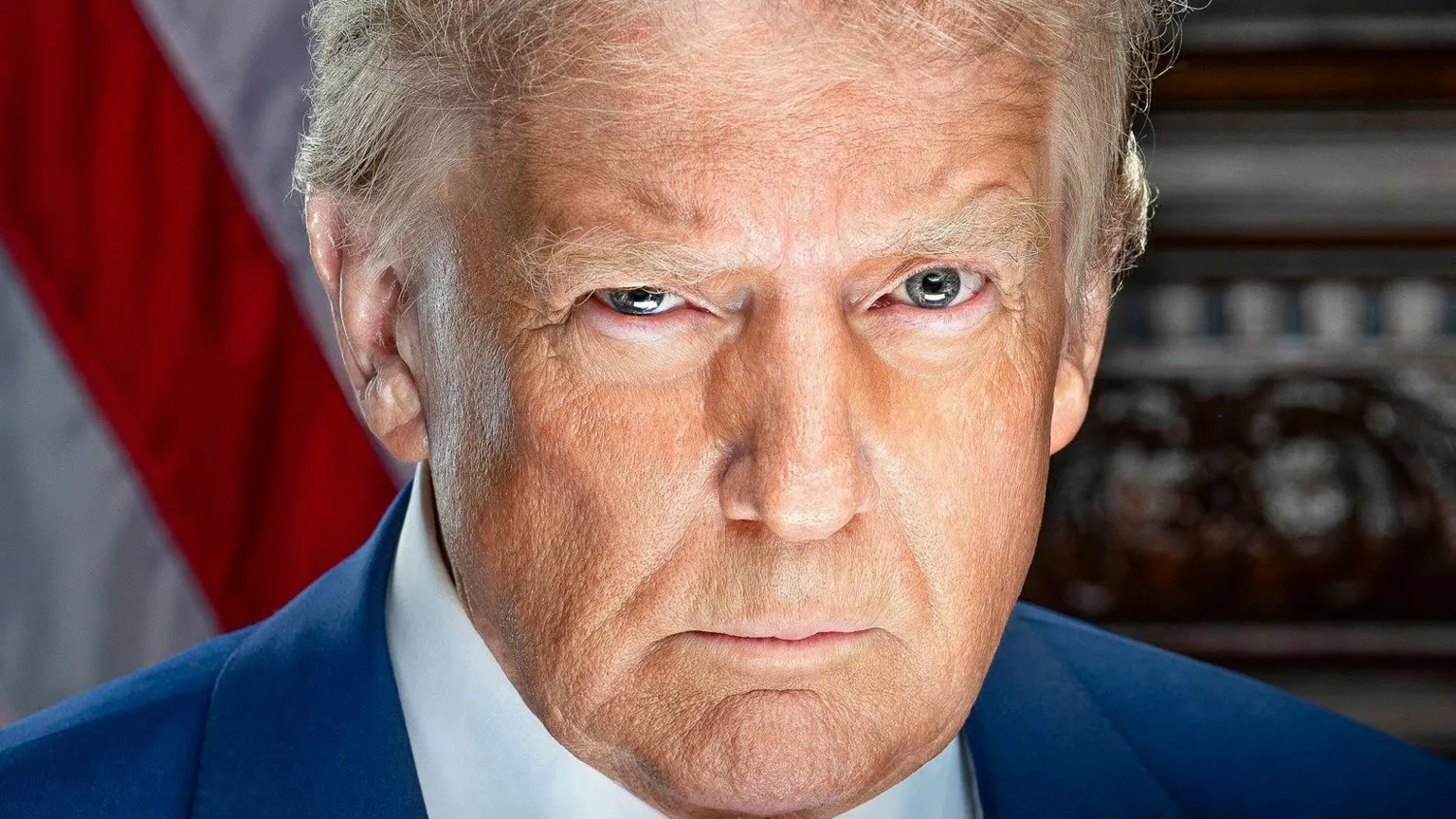
In a significant legal rebuke, a U.S. federal court has ruled that former President Donald Trump overstepped his authority by imposing wide-ranging tariffs under emergency powers, striking at the heart of one of his most controversial economic policies.
The U.S. Court of International Trade in Manhattan determined that the president lacks the unilateral power to levy tariffs on nearly every foreign nation without congressional approval. The three-judge panel emphasized that while the president can act during national emergencies, the Constitution grants Congress the exclusive right to regulate international commerce.
The decision stems from a lawsuit brought by the Liberty Justice Center on behalf of five small import-reliant businesses and supported by attorneys general from 12 states. It is one of several legal challenges mounted against Trump’s aggressive trade strategy, which critics have likened to an economic nationalism that disregards constitutional checks and balances.
Letitia James, Attorney General of New York, praised the ruling as a victory for the rule of law and for American consumers. “No president has the authority to raise taxes—disguised as tariffs—without the consent of Congress,” she said.
The Trump administration reacted swiftly, filing an appeal just minutes after the ruling was issued. White House deputy press secretary Kush Desai dismissed the judgment, framing it as judicial overreach during a time of national crisis. “President Trump pledged to put America First… and will use every lever of executive power to restore American Greatness,” Desai said.
The court also invalidated another set of tariffs that Trump had reimposed on Canada, Mexico, and China, arguing they were unrelated to the stated emergencies—illegal immigration and drug trafficking.
Markets responded positively to the news. Stock indices in Asia and U.S. futures climbed, reflecting investor relief at the potential easing of global trade tensions. The U.S. dollar also strengthened, particularly against traditional safe-haven currencies like the yen and Swiss franc.
While the legal battle is far from over, the court’s decision marks a pivotal moment in defining the limits of presidential power in trade policy, reinforcing Congress’s constitutional role amid ongoing debates about the future of American economic nationalism.